Plan budget and fundraise

Start your budget early and update it often. It’s one of the best ways to avoid costly surprises down the road.

TEDx partnerships work differently from typical event sponsorships. Before reaching out to potential partners, make sure you understand the TEDx approach.

Building strong sponsor relationships takes strategy and care. Here’s how to keep partners informed, engaged, and likely to return.
Create budget
Create a budget early in your planning, and manage it diligently up to your event. Starting early and updating often is one of the best ways to avoid unexpected, and costly, surprises.

Make a categorized list
List everything you might spend money on, research general costs for goods and services in your area and add an estimate for each.
When creating a draft list of costs, overestimate — budget about 1.5 times what you’d normally guess. Most organizers track this in a spreadsheet, broken down by key categories such as:
- Venue, including food and beverage
- Photo and video, during and after the event (including post-production)
- Marketing
- Speaker management
- Administration
- Audience experience
Cash and in-kind donations
Many costs can potentially be covered by in-kind donations — services someone provides in exchange for something in return. A local baker might provide pastries in exchange for tickets, or a videographer might edit talk videos in exchange for promotion. Add both cash sponsorships and in-kind donations to your budget so you can keep track.
- The Sponsor Marketplace lists select products and services that TEDx organizing teams can access at a discount or for free.

Tips
Don’t rely on ticket sales to cover expenses in advance — people often buy tickets at the last minute.
Manage your money
Because every TEDx event is independently organized, how you collect funds is up to you and your team. Practices vary by country and region, so learn your region’s policies for money management.
Know the difference: Not-for-profit vs. nonprofit
“Not-for-profit” describes how a TEDx event operates: you can’t run it to make money, and any extra funds go back into the event. It doesn't mean your event is automatically a registered nonprofit. Those are two different things — one is a rule about how you use your funds, the other is a legal status.
Filing for nonprofit status isn’t required. If your team does decide to set up a nonprofit to manage your event funds, its name can’t include TED, TEDx, or your event’s name.
Be accountable
Keep track of expenses and when each is due. Hold all invoices in one place and add due dates to your list of expenses so your team stays accountable.
Decide where to keep your money
Make a smart choice about where you keep your money and who can access it. Make sure it’s held safely, and understand the tax implications of wherever it’s held.
Rule reminders
You may not run separate ticketed, TEDx-branded fundraising events, and you may not use crowdfunding platforms (such as IndieGoGo or Kickstarter) to raise money for any aspect of your event. You also may not use your event to raise funds for charities or other organizations.
Build partnerships
TEDx partnerships work differently from typical event sponsorships. Before reaching out to potential partners, make sure you understand the TEDx approach.

The partner philosophy
A sponsor is any company or person who supports your event with money or in-kind contributions. The best TEDx sponsorships aren’t transactions — you build a partnership with each sponsor. The difference matters: a sponsor isn’t buying a logo placement, they’re a partner investing in your event alongside you. So you’ll see both words on this page — sponsor for who they are, partnership for the relationship you build with them, but the goal is always the same: a genuine partnership.
A big part of approaching a potential sponsor is helping them understand what it means to partner with a TEDx event. TEDx offers sponsors a chance to do something different: to join you on a journey and invest in it together. Three core principles to keep in mind:
- Sponsors are entering a collaborative relationship to be part of something meaningful: your TEDx event.
- Target partners who would want an authentic dialogue with the TEDx community.
- Encourage partners to be creative and dream up interesting, value-adding ways to reach both of your audiences.
The TEDx sponsorship process
These nine steps are an overview of the full sponsorship process, from finding a sponsor to keeping them.
Key steps:
- Review the TEDx sponsorship rules.
- Brainstorm potential sponsors that might be a good match for your event. Research both local businesses and larger businesses with local branches.
- Make sure that prospective sponsors do not fall under the prohibited sponsors list or the prohibited industries list.
- Reach out to potential sponsors with a letter. Write your own or use this template.
- Finalize your sponsorship using an agreement. Build your own or use this template.
- Collaborate on your activation, whether it's a booth, merch or activity.
- Invite your sponsor to your event — many teams set aside seats for sponsor attendees.
- Send a thank you note after the event, along with photos and a recap of your event.
- If you’d like them to sponsor next year’s event, keep in touch.
Rule reminders
Sponsors and any employees of the sponsoring organization cannot be speakers at the TEDx event they’re sponsoring. And vice versa — speakers cannot also act as sponsors for an event they’re speaking at.
How to reach out to sponsors
Two things matter most when reaching out: who you contact, and how you make your case.
Communicate your event’s value
- TED and TEDx speakers tackle humanity’s toughest questions with innovation, enterprise, and enduring optimism. Explain that your TEDx event is a place in your community that inspires people to change their lives, their futures, and ultimately the world.
- If you’ve hosted before, look for stories that show how people have been positively affected by your event. If you haven’t, point to the broader TEDx community’s reach and impact. Talk about the community you’re engaging and why they’re a remarkable group to reach — open-minded, curious and eager to learn.
- Get creative in sharing your vision: your theme, and any speakers you’ve confirmed or hope to recruit. Just as important, communicate the benefits for the partner.
- These might include:
- A chance to launch a new product during a workshop
- Networking opportunities
- Space to showcase a project or product offstage and outside the theater.
- Visibility through offstage programming or entertainment, like an activity booth or food and beverage offerings
Create sponsorship packages
It helps sponsors to see a detailed plan of what the sponsorship could look like and the value they’d get from partnering with your event. A sponsorship package can include:
- A brief history of TED and TEDx
- An overview of your event, including theme, speakers, and audience
- Sponsorship tiers and benefits (many TEDx events offer tiers such as $100, $500, and $1,000+)
- A detailed budget showing exactly where their money will go
- An in-kind option for sponsors who can’t contribute money (photography, food, t-shirts, printing, gift-bag items)
Find the right contact and timing
- Reach out to the person who can make sponsorship decisions (often found on a company’s “about” or “contact” page). If you’re unsure, ask the administrative department to point you in the right direction.
- Timing matters. Many teams take a multi-step approach: a letter, then a one-page project brief, a phone call, an in-person presentation of slides or a portfolio and follow-up calls. Sponsors already familiar with TED and TEDx may need fewer steps. Schedule plenty of time in your process to secure sponsors.
Sample outreach email
Not sure how to start? Use the sample sponsor outreach email as a template, and customize it to fit your event.
Rule reminder
You may not approach sponsors that fall under the prohibited sponsors or prohibited industries lists, including anyone selling weapons or ammunition, tobacco or cigarettes, or adult-oriented products or services. To contact a prospective sponsor that isn’t on these lists but you’re unsure about, get prior approval from TED first.
Manage sponsors
Once a sponsor is on board, the work shifts to keeping them informed and engaged. Treat your sponsor as a partner in your event, and keep them posted on important details as they develop.

Managing your partnership
Set up a clear agreement and decide how each sponsor will engage your audience.
Work out the details early
Put together a sponsor agreement to be signed by the sponsor and the lead organizer. Clearly outline what the sponsor will provide and what they’ll get in return. Build your own or use this template.
To decide how a sponsor will engage your attendees, hold a meeting to brainstorm options based on what they can provide. A few examples:
- A “sponsored meal”: an announcement that a meal or snack was provided by the sponsor.
- A gift from the sponsor to all attendees. Gift bags are a great place to feature your sponsors.
- A short demonstration of a new technology, held offstage and outside the theater.
- An engagement area in your social space.
- Logo placement on your website and other materials.
How to feature sponsors on social media
Your social media audience is a powerful draw for many sponsors, but a logo on its own won’t serve your followers — logo-only posts read like ads and are easy to scroll past. Feature partners by showing what they made possible: focus on the product, service, or part of the event they funded and, where you can, include a photo or video of their contribution.
There’s a lot you can do to give a sponsor meaningful visibility:
- Mention a sponsor’s specific contribution by tagging their account, using their hashtag, or naming them in a caption.
- Create content together that highlights their contribution — a post, photo, or video. Have your team approve it first so the partnership is represented accurately. Once approved, either of you can share it on your websites, newsletters, and social channels, including as a collaborative post.
Rule reminder
Don’t post a sponsor’s content that isn’t related to your TEDx event — for example, their general marketing campaigns or product announcements.
Keep communication consistent
Stay in regular touch with sponsors before, during, and after the event.
Keeping partners in the loop
- Add them to your event update emails, and follow up with personal notes on relevant details or new speakers.
- Foster relationships between your team and sponsor representatives where it makes sense (for example, if a sponsor is demoing a product, introduce them to your event manager).
- Invite them to pre-event activities so they get a feel for your TEDx community and spirit.
Check in at the event
Make sure your sponsor is comfortable and attended to on the day. Consider assigning one or more team members to connect with them a few times during the event.
Follow up and assess impact
After your event, follow up to review the partnership. If you’d like to partner again, let them know you value their feedback and care about the impact the partnership had. Share what you learned and discuss how to improve it next time.
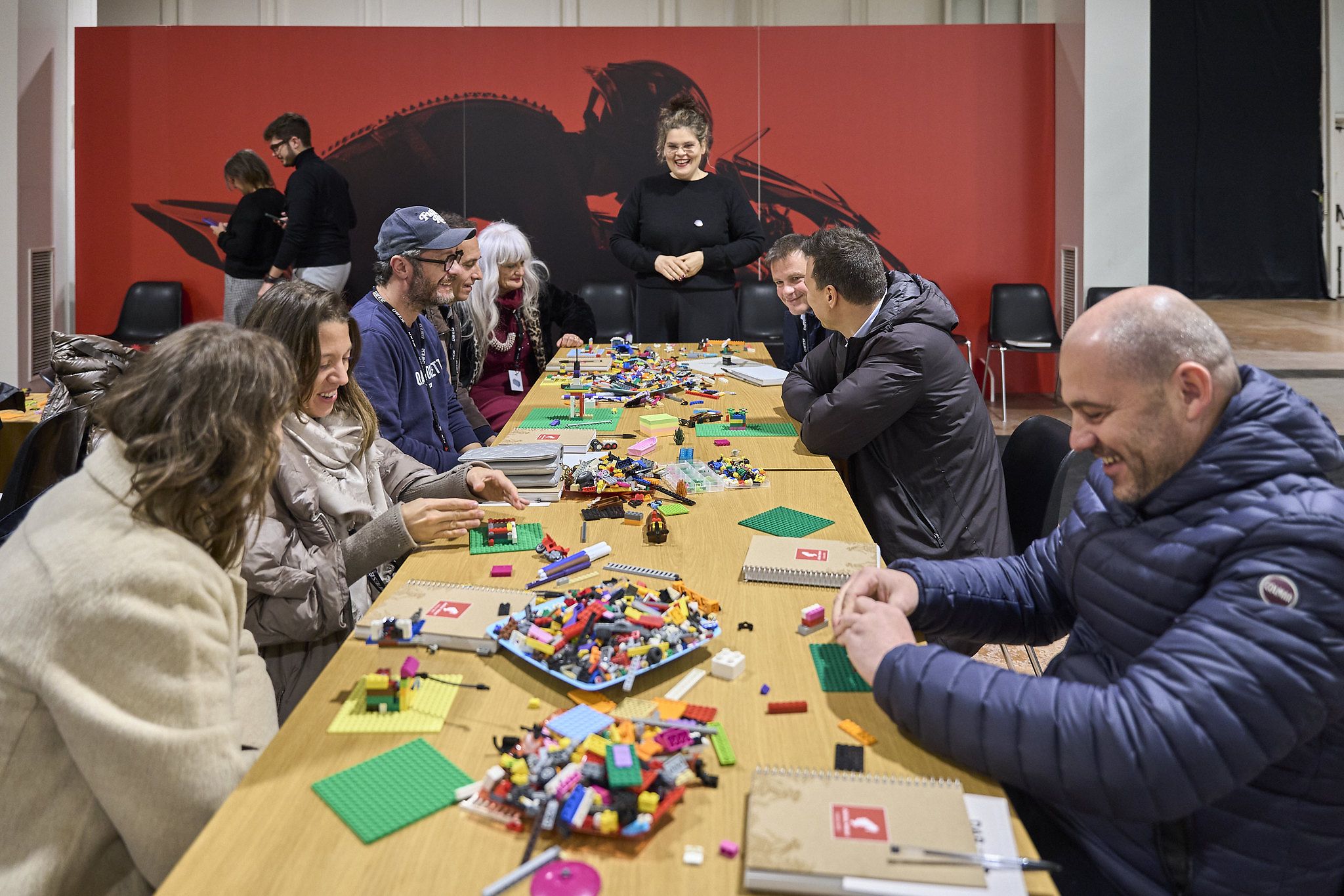
Examples of partner engagements1/3


FAQs
How do I set up accounting and finances for my TEDx event?
Rules differ from country to country, so the way you set up your event's finances and accounting system depends on where you live. You may set up a nonprofit. If you do so, do not call it anything related to TED, TEDx or TEDx[name]. You need to pick a separate name for your nonprofit. (You can also consider running your TEDx event through an existing non profit.)
More questions? Ask TEDxAssist!
Can TEDx speakers pay, or be paid to speak?
No. TEDx does not allow speakers to pay or be charged in any manner, including production costs, recruiting sponsors, buying ticket blocks, or hiring coaches. Speakers give generously of their time, giving their ideas to the world for free. That is enough!
TEDx also does not pay speakers; however, many events offer benefits like covering travel costs and hotel accommodations where necessary, and access to exclusive networking events.
More information about speaking at a TEDx event can be found here.
More questions? Ask TEDxAssist!
Need more help? Visit help.ted.com
Venue and event production