Invite and engage attendees

Invite attendees
Your audience is a core part of your TEDx community, and thoughtful engagement with them will create lasting impact.

Communicate regularly
Staying in touch is one of the most effective ways to build community and maintain momentum — before, during and after the event.

Create experiences beyond the stage
Beyond the talks themselves, think about how attendees will connect, interact and experience the event outside the theater.
Host year-round gatherings
Gatherings throughout the year help strengthen relationships, sustain engagement and create shared experiences rooted in the local community.
Invite attendees
Being intentional about audience planning helps ensure the people in the room align with the goals of the event.

Invite attendees
Define your audience
Before opening ticket sales or sending invitations, define who the event is for.
Different TEDx events serve different communities. Consider what your event goals are, and who you'd like in the audience. For example:
- University-based events should focus on students, faculty, staff, alumni and parents.
- Topic-specific events, such as Countdown events or Salons, might prioritize people who want to learn more about or contribute to the specific topic.
- Community-wide events might aim for a broad mix of local leaders, creatives, students, first-time attendees and more.
Who is your event for? Defining the audience early helps guide outreach, messaging and how attendance will be managed. Being intentional at this stage helps ensure the people in the room align with the goals of the event.
Invite attendees
Ticketing + inviting attendees
Common approaches to ticketing
Depending on the size and goals of the event, teams can use different approaches to invite and select attendees such as:
- Open ticketing: Available to the public on a first-come, first-served basis. If tickets sell out, consider offering a waitlist to collect interest for when spots open or when tickets are released for future events.
- Invite-only events: Limited to people who receive a direct invitation. This can work well for smaller venues with limited capacity, or events with a targeted audience.
- Application-based selection: Prospective attendees apply and organizers select participants based on their alignment with the event's goals. This can work well when managing high demand, or events with a targeted audience.
If using an application process, make sure it clearly describes:
- That space is limited and not all applicants will receive a ticket
- When applicants can expect to hear back
Applications typically collect basic contact information along with a few open-ended questions, such as:
- Tell us about yourself
- Share links that help us understand your interests or work
- What do you hope to gain from attending this TEDx event?
- When declining an applicant, respond with a clear and respectful message. Encourage applicants to watch your livestream (if available) or to re-apply to attend future events.
- Regardless of your ticketing approach, make sure attendees have a clear understanding of:
- What TED and TEDx are
- The date, location and theme of the event
Collect attendee information
Regardless of which ticketing approach is used, collecting attendee information is essential. At minimum, ask attendees to opt in or provide their email address for the TEDx Attendee Survey, in accordance with local data privacy laws. The survey provides insight into the attendee experience and helps teams understand what's working and where to make improvements. Teams can collect additional information through ticketing, registration, or applications — such as name, organization, job title and contact details.

Tips
1/2
Free vs. paid tickets
Some TEDx events offer tickets for free, which can be a generous and inclusive approach. However, many organizers find that charging a small fee actually increases attendance and commitment, as free tickets often result in higher drop-off rates. Choose the approach that best fits your audience and goals.
Rule reminder
Enforce attendance limits. Only sell or distribute as many tickets as your licensing tier allows. In order to organize an event for more than 100 people, the primary license holder (the individual whose name is on the application form) must have attended a qualifying TED Conference.
Communicate regularly
Staying in touch with your audience is one of the most effective ways to build community and maintain momentum — before, during and after the event.
Communicate regularly
Create a communications strategy
Create a strategy early on to plan how you'll help attendees, applicants and your broader community stay informed and engaged throughout your event journey. Receiving consistent communications will help your attendees feel informed, excited and connected to the community.
Tailor your communications
Different types of communication serve different purposes. Registered attendees will need clear logistical updates and event reminders, while your broader community or newsletter audience may be more interested in speaker announcements, TED Talks, behind-the-scenes content and ongoing conversations connected to your theme.
Types of communications
Your communication strategy may include:
- Logistical emails for registered attendees
- Email newsletters for your broader community
- Social media updates and discussion prompts
- Speaker announcements and behind-the-scenes content
- Post-event follow-up communications
Email newsletters
Newsletters are a simple way to keep your broader community informed and engaged before and after your event. Use them to share speaker announcements, theme-related content, community stories and more. After your event, newsletters can also help continue conversations with recorded talks, attendee reflections, photos and upcoming community opportunities.
Communications to registered attendees
- Attendees rely on timely, clear logistics communications to help them prepare for the event. Send important information such as registration confirmations, schedules, venue details, accessibility information and event reminders well in advance.
- You'll also be required to send the TEDx Attendee Survey to your attendees after the event. See Post-event and renewal for details on post-event requirements.
Social media
Social media can help extend the experience beyond the event itself. Use your channels not only to promote your event, but also to encourage discussion, participation and community interaction. Learn more about social media strategy and promotion in Design and promote event.
Create experiences beyond the stage
A memorable TEDx event extends beyond the talks themselves. Think intentionally about how attendees will connect, participate and engage throughout the day.
Create experiences beyond the stage
Attendee experience
A memorable TEDx event is not only defined by what happens onstage, but also by the conversations, interactions and sense of community created around it.
The attendee experience includes everything surrounding your talks: how people are welcomed, how they move through the event, the services and spaces you provide and the details that shape how attendees feel. Small details can have a big impact on how attendees experience and remember your event.
Here are some areas to keep in mind as you plan:
Arrival and departure
Think of registration not as a check-in line but as an arrival experience: a moment to make attendees feel seen and welcomed from the start. Greet people by name where possible, and make sure your team is warm and attentive from the moment attendees walk in. The same care applies at the end of the event.
Your team as hosts
Every person supporting your event — volunteers, vendors and staff — helps shape the atmosphere. Inform your team members both about logistics and the experience you want attendees to have. Their role is not just to keep things moving, but to help people feel welcome and comfortable throughout the day.
Badges
- Make attendee names large enough to read easily — small fonts discourage spontaneous introductions. You can also include a “Talk to me about…” line with topics of interest to help spark conversation. Learn more in the Design and promote event section.
Signage
Signage helps attendees navigate your event and feel more comfortable in the space. Consider how people will find important areas such as registration, theaters, restrooms, food stations and activity spaces.
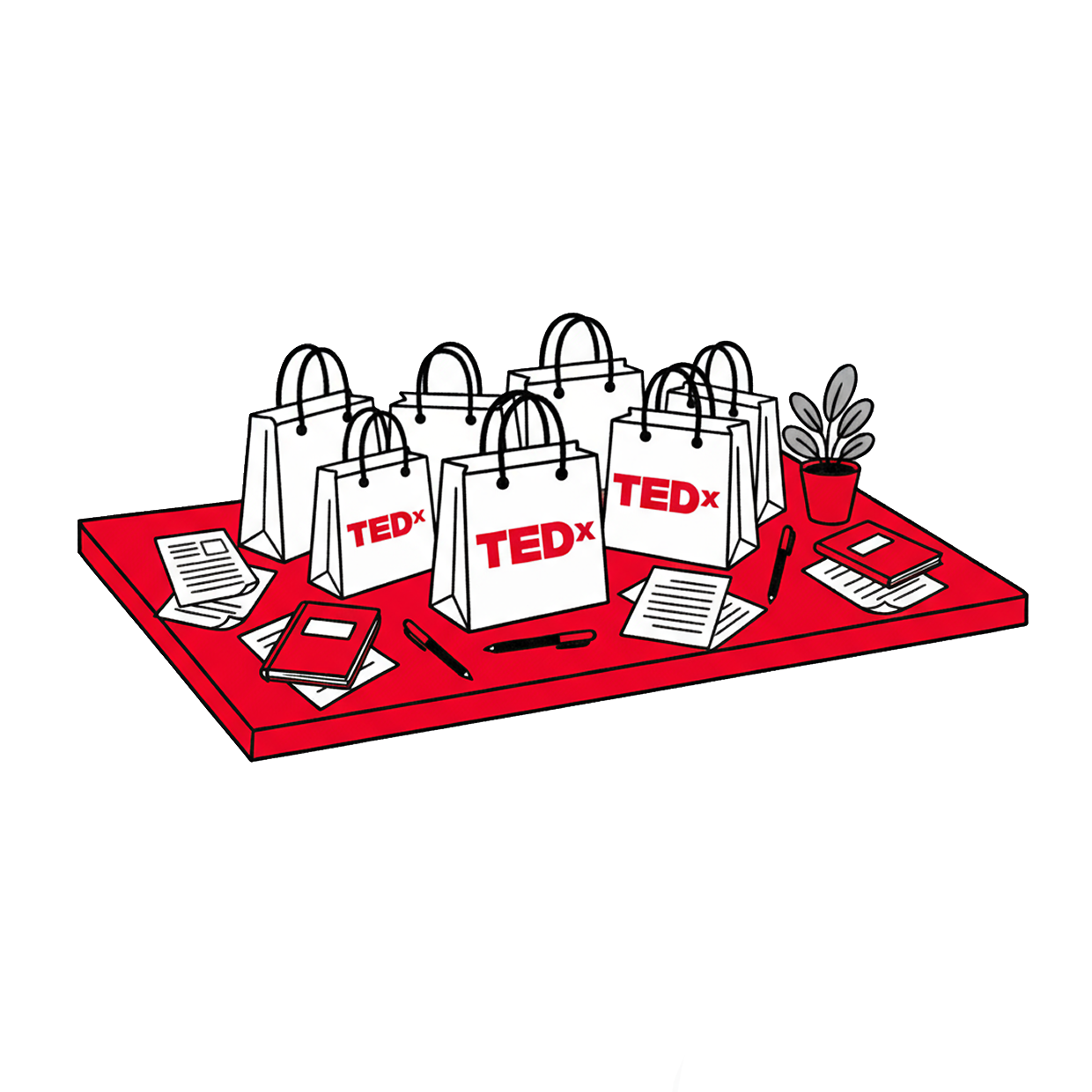
Gift bags
Gift bags are not required, but they can be a thoughtful addition. This can be an opportunity to feature your partners, include useful event materials or highlight products and organizations connected to your community.
Food and drink
For better or worse, food is often one of the most memorable parts of an event experience. Communicate ahead of time whether food will be provided, and consider offering drinks, coffee or snacks during breaks whenever possible.
Networking
Build in enough time between sessions for attendees to connect, explore activities and have meaningful conversations.
Your physical space
The physical layout of your event quietly teaches people how to behave. Consider how attendees will use the space outside your theater. Soft seating, semicircles and open communal areas encourage conversation, while long or shared tables can create natural opportunities for new connections.
Conversation prompts
People can feel shy about approaching strangers. Simple prompts can help lower that barrier: a “Talk to me about…” line on a badge, conversation cards on tables, or interactive walls and activities can help attendees start conversations more naturally.
Create experiences beyond the stage
Offstage programming
Offstage programming includes everything attendees can experience outside of your theater and stage program. These experiences can create opportunities for attendees to connect, engage with ideas in new ways and participate more actively throughout the day.
Your program doesn't need to be elaborate or high budget — even small experiences can create memorable moments and help attendees engage more deeply with your event.
Consider offering experiences such as:
Workshops or Discovery Sessions
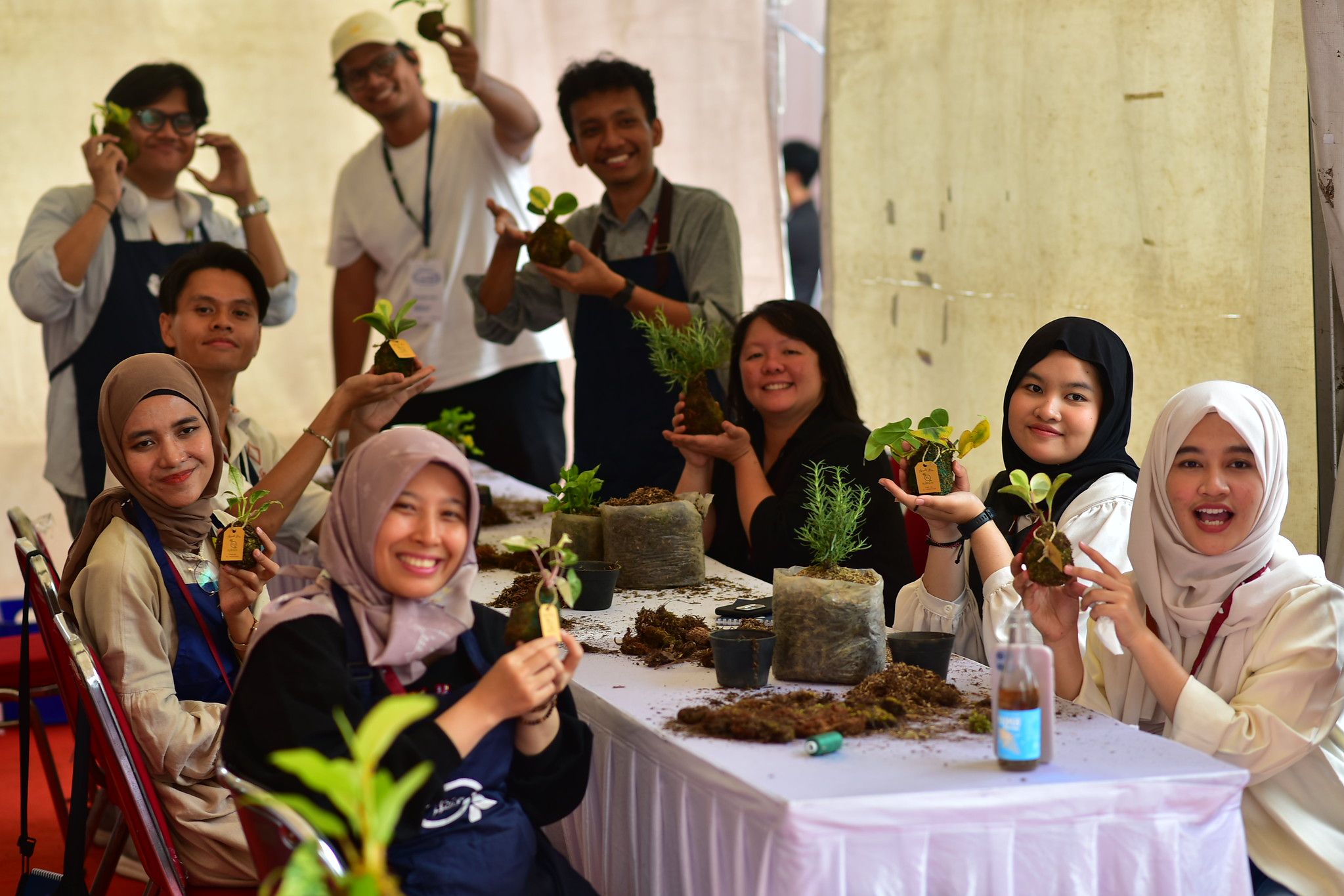
Not all great ideas come from the stage, some require exploration and movement. These hands-on sessions allow attendees to learn a skill, explore a topic more deeply or participate in an interactive activity. Consider having members of the community, past speakers or sponsors host around topics they're experts in.
TEDxBandung organized a plant-potting workshop, allowing attendees to get hands on while learning something new.
Exhibits and installations
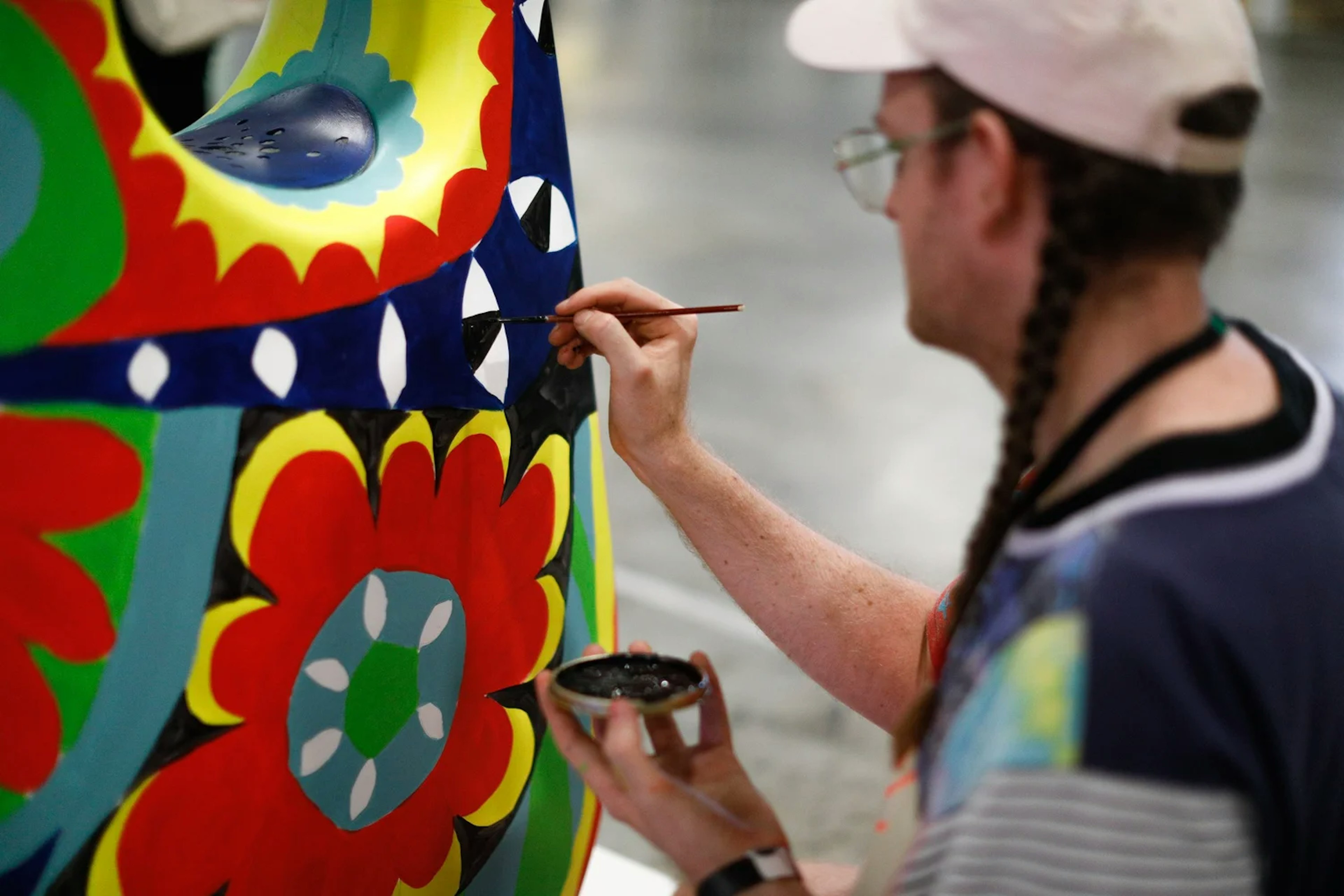
Speaker meetups
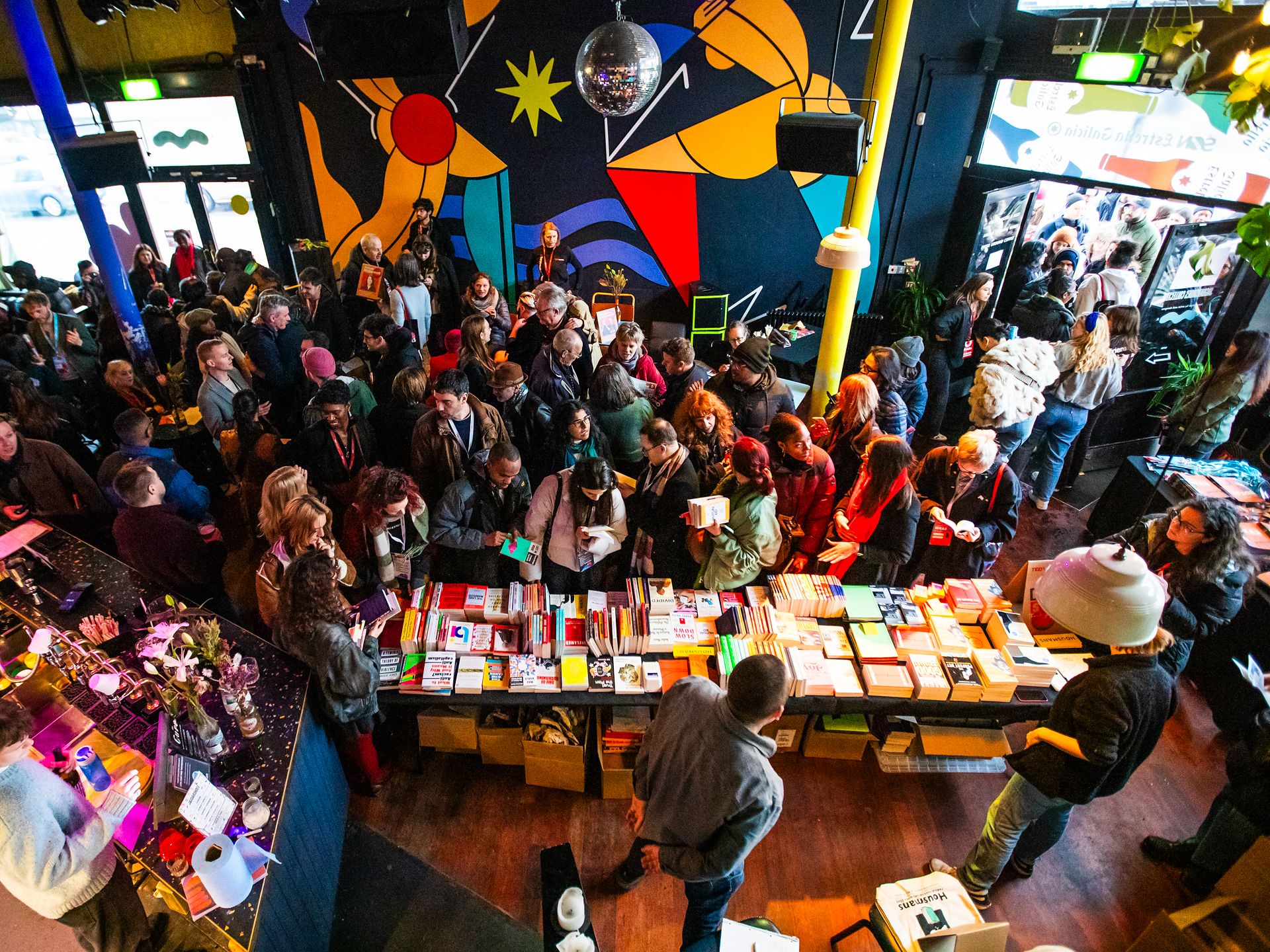
Creative stations
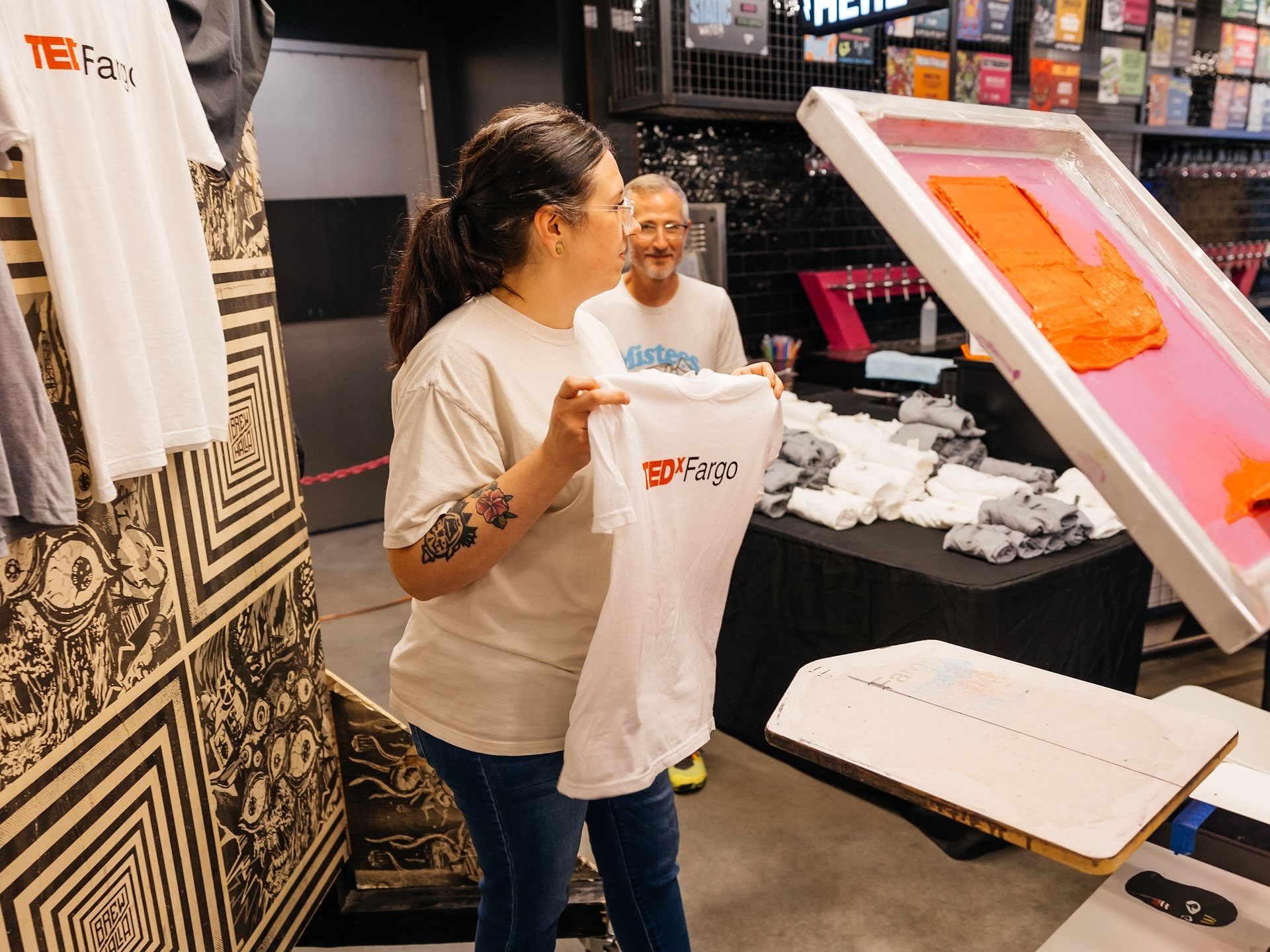
Shared meals and gatherings

Host year-round gatherings
Gatherings throughout the year (outside of your main event) help strengthen relationships, and sustain engagement.
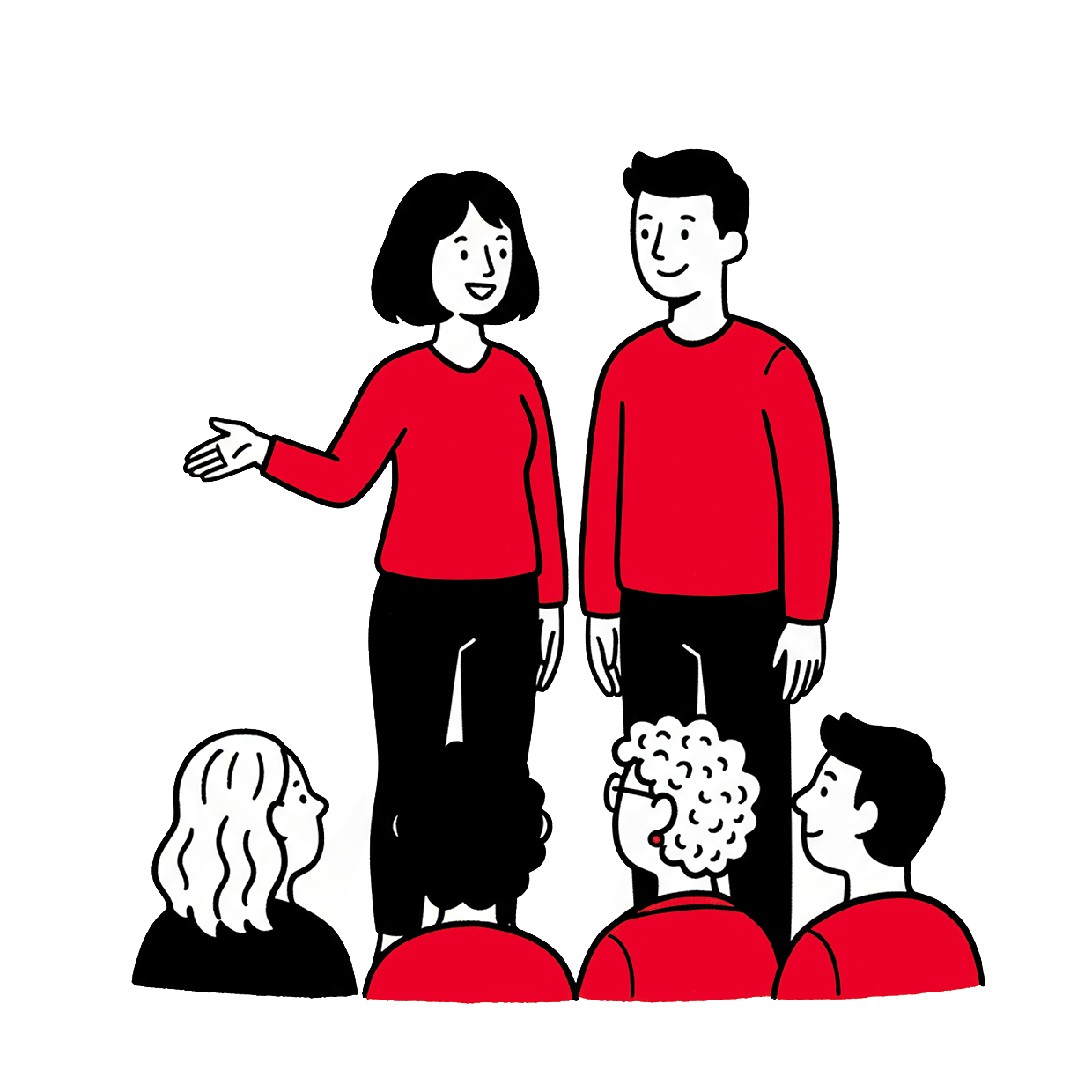
Host year-round gatherings
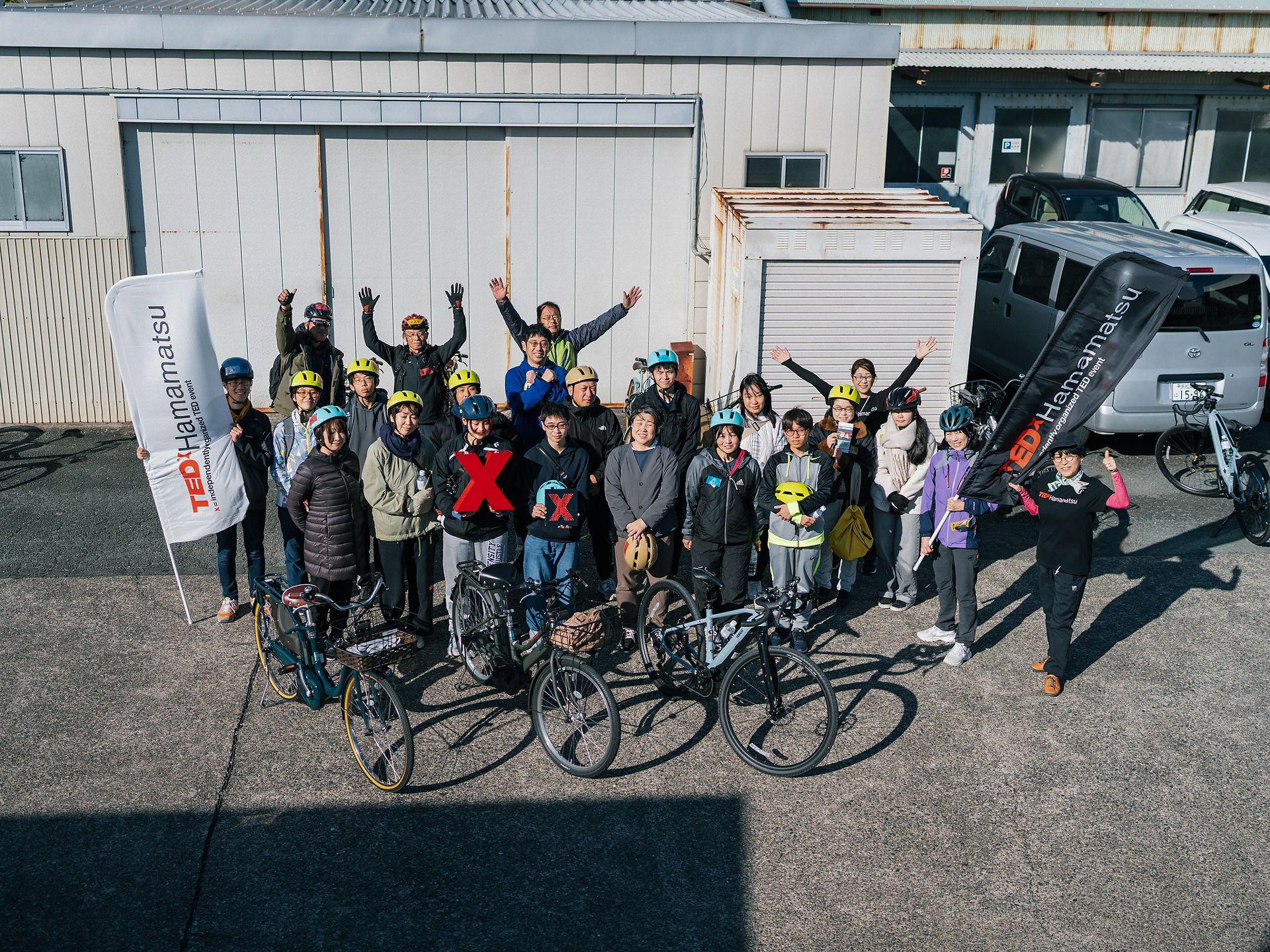
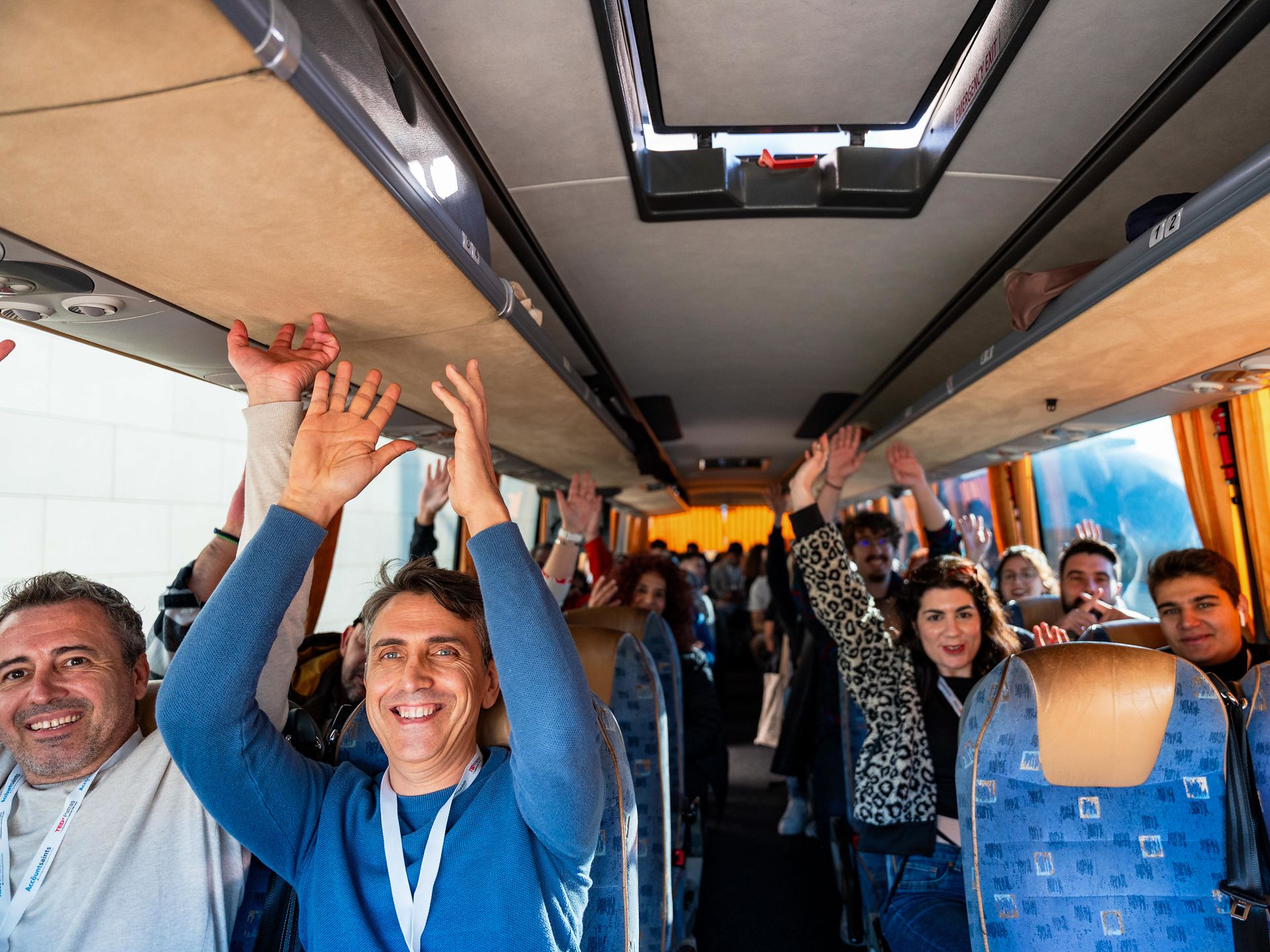
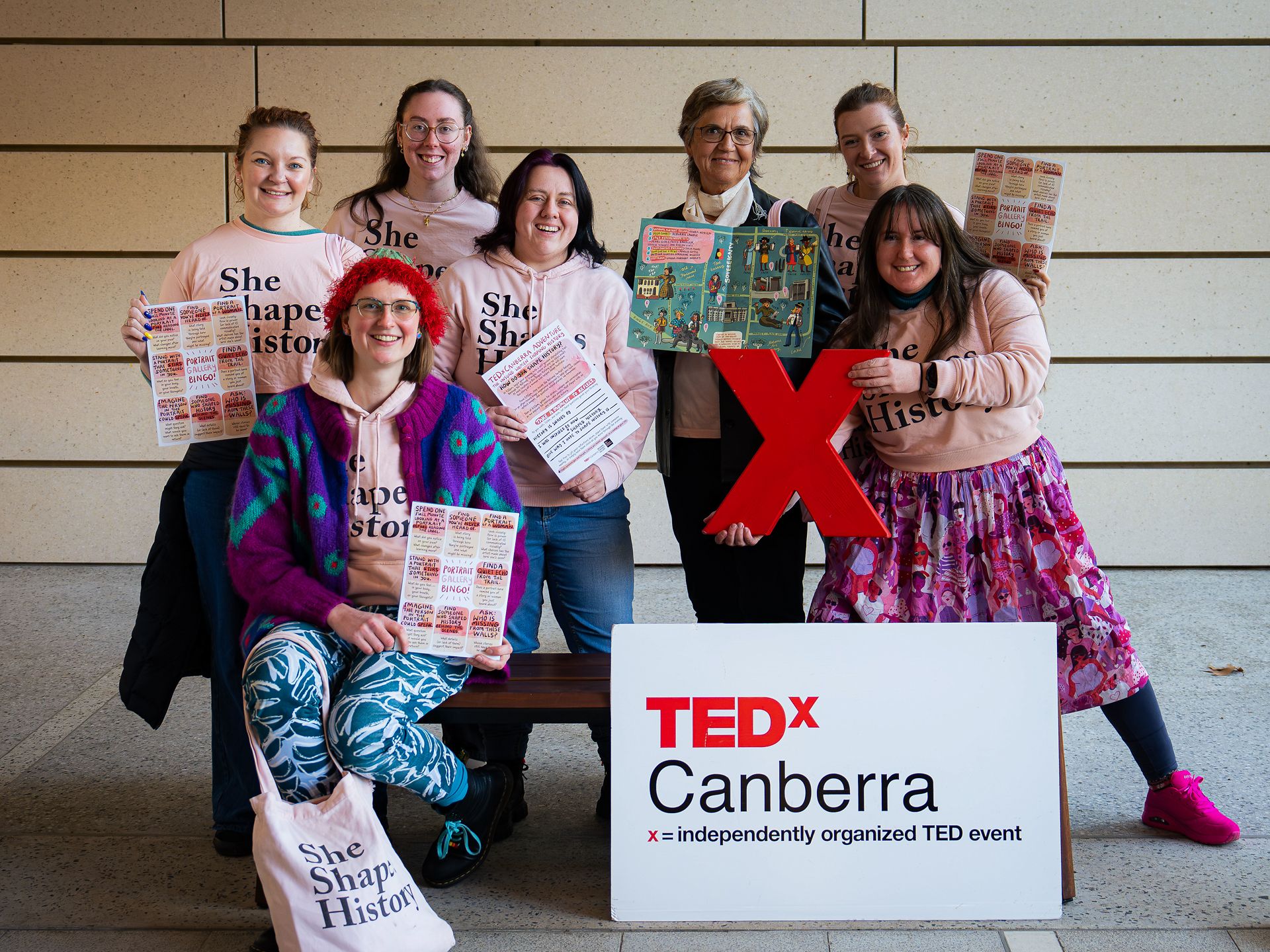
TEDx Adventures
- TEDx Adventures are casual, locally focused gatherings that bring your community together outside of your main event. They don’t require a separate license and should not include formal talks. The only requirement is that they take place while you have an active TEDx license. If needed, you may charge a small fee to help cover costs.
- Designed to be more relaxed and interactive than a traditional TEDx event, Adventures encourage attendees to step out of the theater and into the real world. Some are connected to larger partnerships tied to the main event, while others are simply a fun and meaningful way to stay engaged between events.
- The format is intentionally flexible and can be adapted to your team’s goals, capacity and community. Adventures can take many forms: behind-the-scenes tours, hands-on workshops, local field trips or collaborative community projects. They also offer a great opportunity to involve past speakers, community partners or local organizations, while giving attendees a chance to connect more deeply with one another.
Adventure examples:
Host year-round gatherings
TEDx Salons
- TEDx Salons are smaller, recurring events that help sustain engagement between your main event. They typically feature talks followed by discussion — a way to keep ideas and conversation alive throughout the year.
- A separate license is required to host TEDx Salon events. Learn more
Salon examples:

TEDxNapier Bridge - exhibit focused on misinformation

TEDxSarajevo - cooking class
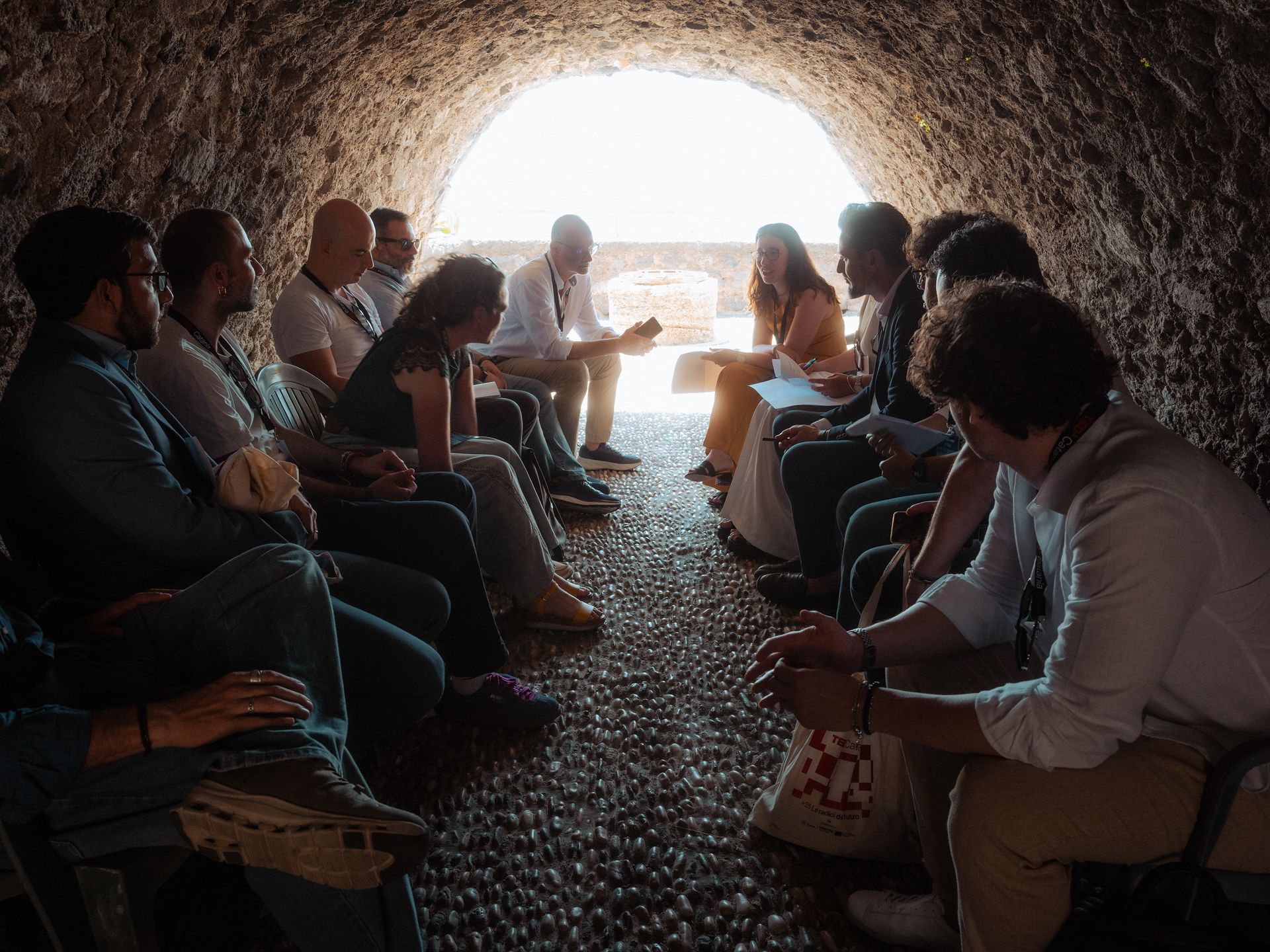
TEDxCatania - seaside landmark visit
FAQs
How much can I charge for a ticket to my event?
Your event's ticket price is determined by your Licensing Tier. All funds from ticket sales should go towards event and operating costs.
- Community: up to $150 USD
- Community Plus: up to $250 USD
- Summit: up to $450 USD
- Legacy: can determine their own price
More questions? Ask TEDxAssist!
How will my attendees receive the TEDx Attendee Survey?
TED will automatically send the TEDx Attendee Survey to your provided list of attendees within 1-2 days after your event, but there are some steps your organizing team needs to take in order to successfully deploy the survey. You’ll need to:
- Collect attendee email addresses before the event. Please be aware that your venue and/or local government may have specific data privacy policies. This can affect how you obtain information for the TEDx Attendee Survey, so you should build appropriate processes (e.g. "opt-in" when attendees sign up to the event) to gather and share this information in accordance with local data privacy laws.
- Let your attendees know that they’ll receive a short survey — you can mention it in the closing remarks of the event, in a post-event thank you email, or on your social media.
- The day after your event, you will receive an email from the TEDx Team with a pre-filled link to the Attendee Survey Uploader. Please submit it ASAP! (And please make sure your event page is up to date!)
- On the Survey Uploader page, please paste your attendees’ email addresses — no listservs please!
- If any attendees report that they did not receive the survey, please ask them to check their spam inbox.
More questions? Ask TEDxAssist!
Do I need a specific license to host a TEDxAdventure?
No, TEDxAdventures don’t require a separate license. As long as you have an active TEDx license, you’re good to host one.
TEDxAdventures are informal, locally focused gatherings that complement your main event. No need to curate talks as they’re designed to be more interactive and community-driven — think workshops, tours, field trips, or collaborative projects. You can keep them simple or build them out further, and if needed, charge a small fee to cover costs.
More questions? Ask TEDxAssist!
Need more help? Visit help.ted.com
Post-event and renewal