Build and manage team
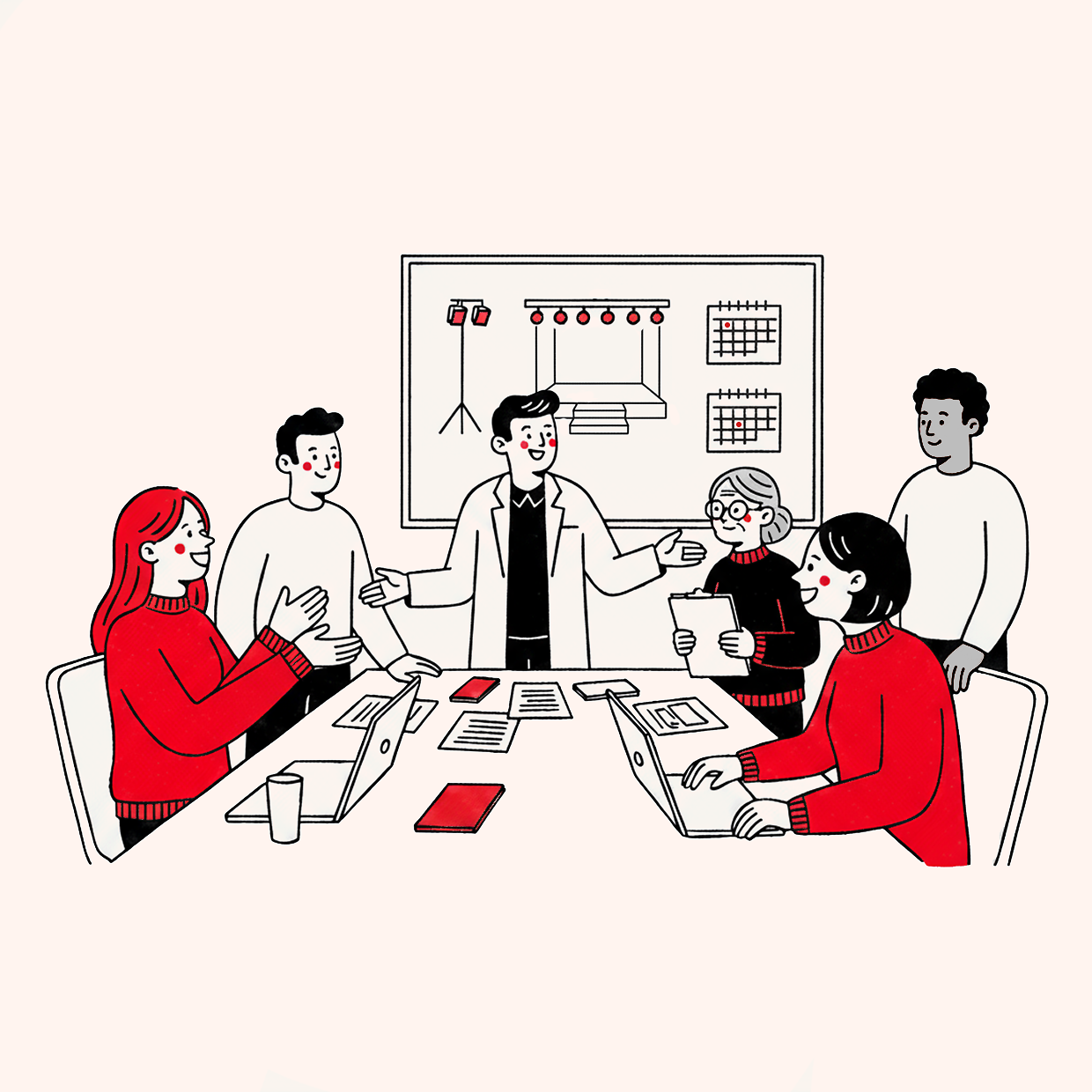
Recruit a passionate, reliable team to help plan and deliver your TEDx event. A clear team structure is key to an event’s success.

Once the team is in place, focus on building collaboration and accountability so everyone can work toward a shared goal.

Identify future leaders and give them the experience they’ll need to continue organizing in the years ahead. It’s never too early to think about the future of your event.
Build your team
Building a strong, dedicated team will help you manage the many moving parts of planning and delivering on a successful TEDx event.
Team structure and roles
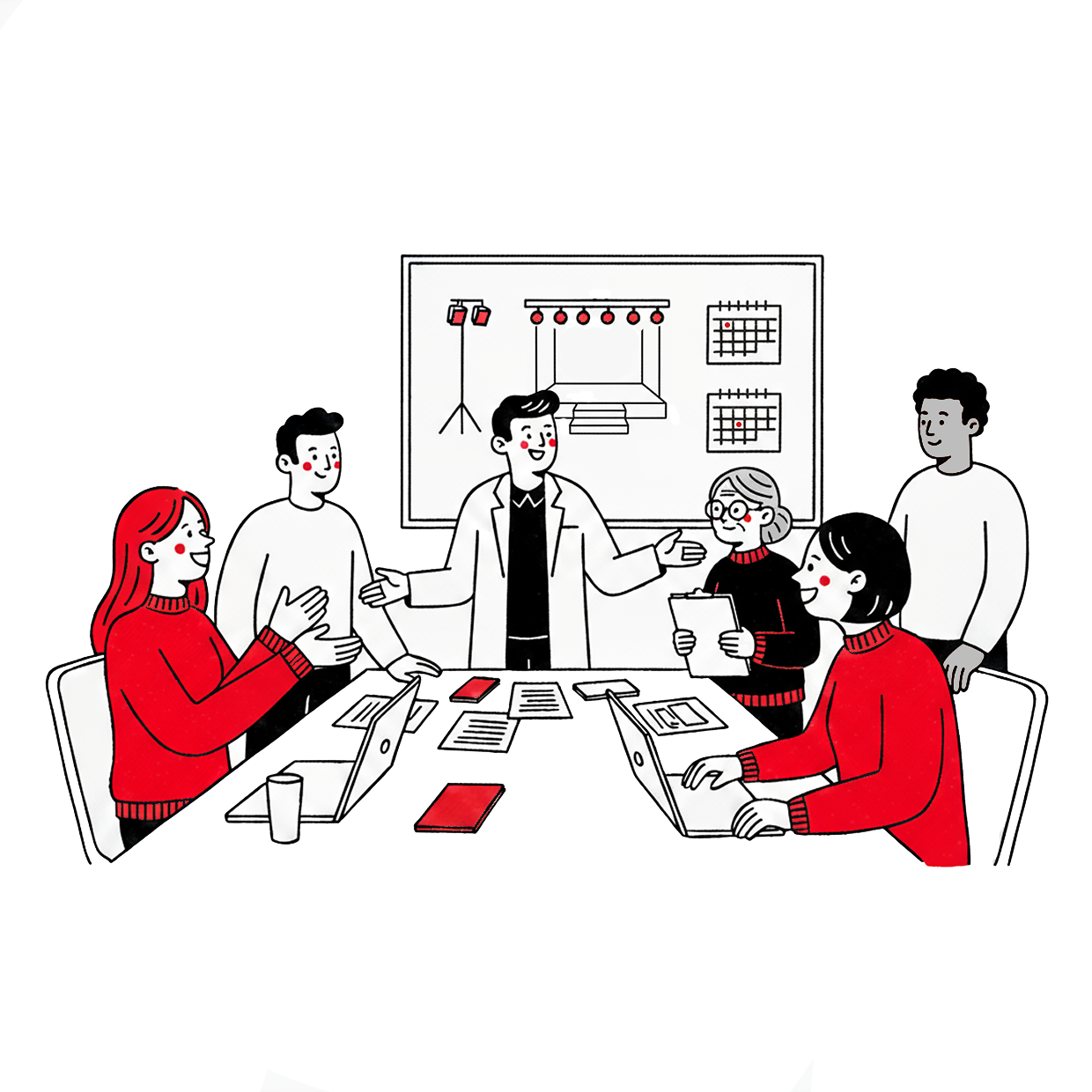
TEDx teams are volunteer-based. Whether you're recruiting friends, coworkers, students or others in your community, it's important to be clear about the time commitment and responsibilities from the start. Here are a few things to keep in mind.
TEDx teams are volunteer-based and often made up of two groups:
- Core planning team, involved from start to finish throughout the planning process.
- A day-of-event team, focused typically only on supporting the live event experience.
Focus more on building a team that’s the right size for your event than gathering as many volunteers as possible. A small, committed group is often more effective than a large team with unclear responsibilities.
Important role boundaries
Roles within a TEDx team can overlap. However, TEDx events involve three distinct groups which can’t overlap and must remain separate: organizers, speakers, and sponsors. Team members (both the core planning team and event-day volunteers) can’t be speakers or sponsors at their own event, and sponsors can’t influence speaker selection or content. Keeping these roles distinct protects the independence of ideas on stage and helps avoid conflicts of interest.
All team members should review the TEDx rules.
Core planning team
The roles below reflect common areas of responsibility for a core planning team. These roles are typically involved long before event day and remain active throughout the planning process. The examples in this section are flexible and meant to be adapted based on the size and needs of the event.
Licensee (Lead organizer)
The individual who holds the TEDx license and is ultimately responsible for the event. They oversee planning and serve as the primary point of contact with the TEDx team.
Co-organizer
A trusted partner who shares planning and leadership responsibilities with the licensee. Each event may recognize one official co-organizer on their TED.com event page.
Curator(s)
Selects and develops the ideas that appear on your stage, including speakers and performers. Many teams form a small curation group to bring multiple perspectives to speaker selection. Curators are champions of the ideas they select and typically work directly with speakers to prepare their talks for the stage. For this reason, we don’t recommend bringing in outside speaker coaches.
Fundraising and budgets
Leads outreach to partners, potential sponsors and other fundraising efforts to support the event’s budget. Securing funding is a key component to a successful event, so this person ideally has experience with fundraising and development.
Event operations
Manages logistics such as the venue, registration, schedules, and on-site flow to create a smooth and welcoming attendee experience.
Communications and marketing
Crafts your event’s story and manages your public presence, from social media to event branding. They’ll also often lead marketing efforts.
Video and production
Manages audio and video, camera operations, and video editing needs for the event.

Tip
Many TEDx organizers choose to work with a co-organizer: an additional leader who can help oversee the event from planning through delivery. Sharing leadership can strengthen decision-making and distribute responsibility across the team
Event-day team
In addition to the core planning team, many TEDx events, especially larger ones, rely on event-day volunteers.
Event-day volunteers support the core team by assisting with tasks such as registration and check-in, speaker support, theater ushering and other on-site logistics. Their involvement allows core team members to stay focused on oversight and problem-solving during the event.
Core team members often help identify and recruit event-day volunteers based on their anticipated needs. For larger events, some teams choose to designate a volunteer coordinator to recruit, brief, and support event-day volunteers before and during the event.
Recruiting
Whether recruiting friends, coworkers, students, or others in the local community, it’s important to be clear about time commitment and responsibilities from the start.
Use existing networks to find team members. Current team members may be able to help recruit others and share calls for volunteers — personal and community connections are often the strongest way to build a committed team.
Aim for a mix of backgrounds, skills and perspectives. Teams that extend beyond a single social circle are often more resilient and bring a greater range of experience and viewpoints to the event.
Recruiting is often phased. Core planning roles are typically filled earlier in the process, while event-day volunteers are recruited closer to the event, once on-site needs are clearer.
When to hire non-volunteers
Most of the work behind a TEDx event can be done by volunteers, but strategic professional help can elevate the quality of your event and help you use your resources effectively.
In some cases, external vendors may be hired to provide specific, defined services. Vendors are not part of the organizing team and do not influence the program or speaker selection; they are engaged solely to deliver a professional service. Being clear about this distinction upfront helps set expectations, avoid misunderstandings and ensure your event aligns with TEDx rules.
Hiring and paying for services makes sense when:
- Specialized technical skills are required (A/V, lighting, video).
- Professional design or branding is needed.
- Catering, staging, or logistics demand vendor expertise.
Decide early which tasks to outsource so volunteer team members can focus on creative and community-focused work. Always ensure any paid vendors understand TEDx’s non-commercial nature and align with its mission.
Rule reminder
TEDx is a volunteer endeavor. The licensee, core planning team and event-day volunteers can’t be compensated. Only external vendors providing specific services may be paid.
Manage your team
Clear communication, shared expectations, and thoughtful preparation help volunteers stay engaged and make the planning process smoother for everyone.
Working together and staying organized
Strong teams are built on trust, clarity and shared purpose, supported by simple systems that help everyone stay aligned.
Define how you’ll work together
Different teams work best in different ways. Some prefer structured meetings, while others thrive with lighter touchpoints. Adapt your approach to what helps your team collaborate most effectively and stay engaged.
Helpful practices:
- Scheduling regular team check-ins (for example, weekly or biweekly calls).
- Creating shared communication channels for updates and quick questions.
- Using a simple project timeline with key milestones.
- Encouraging each area of responsibility to define its own goals and tasks so progress is visible and manageable.
- Finding ways to build connection and show appreciation throughout the planning process. Regular recognition and space for connection help keep volunteers motivated and supported.
- Using free tools to better support your team, like Google Workspace, Dropbox or similar platforms can help teams stay organized. Find more free or discounted resources in the TEDx Sponsor Marketplace.
Tip
Some teams build morale and knowledge by watching TED Talks together, hosting a TEDxLive watch party, or attending a nearby TEDx event as a group. Others get together for meals, event kickoffs or trainings.
When challenges arise, focus on solutions rather than blame. Take time to listen to different perspectives, mediate thoughtfully, and make a clear decision when needed so the team can keep moving forward. Flexibility is key throughout the planning process, especially when it comes to schedules, technology and logistics. Building in backup plans can help your team respond confidently when plans change.
You don’t have to navigate challenges alone. Fellow TEDx organizers, your regional TEDx Ambassador, and shared community resources can all be helpful points of support. If you’re working through a significant challenge and need additional guidance, reach out to the TEDx team at tedx@ted.com.
Your team is doing this for love, not money — respect that above all.
Preparing for event day
On the day of your event, your core planning team won’t be able to be everywhere at once. Preparing your event-day team ahead of time helps ensure everyone has what they need to own their role and support a smooth event day.
Clarify roles and responsibilities
Before the event, make sure all team members know what they’re responsible for, where they need to be, and who to go to with questions. Clear ownership helps people act confidently without waiting for direction.
Set up event-day communication
Decide how your team will stay in touch throughout the day for updates, coordination and quick questions. Choose a simple, reliable method and make sure everyone knows how to use it. This might be a group chat or shared channel for real-time updates.
Make an escalation plan
Be clear about how issues should be handled when something unexpected comes up. Identify a lead in each area who can be contacted for different types of questions or problems, so that volunteers know where to turn and don’t feel stuck or unsure.
Share key event-day documents
Provide your team with the essential information they’ll need to do their jobs well. Keep these documents clear, concise, and easy to access. Helpful documents include:
- An event-day schedule or run-of-show
- A simple event-day checklist (people, spaces, systems)
- A contact list with roles and responsibilities
Build in flexibility
No event goes exactly as planned. Where you can, identify backup plans, especially for schedules and staffing, and trust your team to adapt together if things change.
Tip
It’s one thing to organize an event, it’s another thing to run one. If you don’t have experience running an event, you should consider delegating someone on your team to be the event day manager. After all, you should also have backup support!
Plan for succession
Succession planning means preparing others to lead, so your event outlasts any one organizer. It's never too early to think about who will take over your license when you move on.

Reflect on your role and readiness
Before making decisions about the future of your event, take time to reflect on where you are and what you want next.
Consider:
- Whether you’re still eligible to hold your TEDx license. Eligibility can depend on factors like your role as the primary organizer, the location or format of your event, or — for school and university named licenses — your employment or enrollment status. If your circumstances have changed, reach out to tedxpostevent@ted.com to discuss next steps.
- Do you have the bandwidth, capacity or energy to organize next year’s event? The year after?
- Whether there’s someone on your team who would be best fit to replace your role as licensee.
Some organizers continue as the licensee for many years, while others choose to step back after one or two events. All paths are valid, and contribute to your event’s growing legacy.
If you’re ready to move into a more of a supportive role (or step away entirely) remember that your successor may approach things differently than you did. That’s okay. Let them step into their own leadership style, and offer guidance without holding on too tightly.
If no one on your team is ready to take over, or if your event needs to pause temporarily or permanently, don’t pressure yourself to keep it going. Your event’s legacy lives on in the ideas you’ve helped spread and the relationships you’ve helped build.
Prepare future leaders
If you’d like your event to continue, succession works best when leadership development happens gradually and intentionally.
Identify future leaders early
Look for one or two team members who are dedicated, reliable, and aligned with the spirit of TEDx. These individuals are often well positioned to grow into future lead organizer roles.
Rather than handing off leadership all at once, create opportunities for them to take on more responsibility. This might include inviting them into higher-level planning conversations, asking them to lead a team meeting, or giving them ownership over a clearly defined part of the event.
Plan ahead for qualifying experiences
Supporting future leaders in attending a TED Conference can also be a meaningful learning opportunity. Attending a qualifying TED Conference is required for organizers who wish to host a TEDx event with more than 100 attendees, and the experience can deepen a future organizer’s understanding of TED and what it takes to deliver a larger-scale event.
Document and share what you’ve learned
Succession is easier when knowledge isn’t held by just one person. Documenting key information and lessons learned along the way helps future leaders step into their roles with confidence and supports continuity from one event to the next. Consider what else they might need. For example, make sure others on your team have access to your team’s email and social media accounts so that transitions can go more smoothly.
Leadership transitions work best when there is planned succession by a new leader who has already had substantial experience with your event. Know what the long term interests are for your volunteers, and help guide them to greater leadership roles.
When you're ready to step down
When an organizer is ready to step down or transfer a license, there’s a clear process to follow. See Post-event and renewal for more information.
FAQs
How can I add team members to my event page?
First, make sure that your team members have a TED.com profile - that profile will need to include a profile photo and the profile visibility settings must be saved as “Everyone who visits TED.”
When you’re sure your team members have profiles that meet this criteria, navigate to your TEDx event manager on TED.com, click “Edit event details” on the event you would like to add your team members to, click the “Manage your team”* option on the left hand navigation, search for your team member’s name in the search bar, and select their name when it appears in the dropdown menu, choose the role that most closely represents their position on your team and you’re done!
If your team member cannot be found and you have confirmed that they have a TED.com profile with a photo and the correct visibility settings please reach out to us here so we can confirm there are no technical issues impacting the profile.
*Please note that in order to access the ‘Manage your team’ section you will first need to fill out the date, time, and venue details of your event. If the date and time details have not been updated, and the venue information is blank, you will not be able to access the other elements of your event page.
More questions? Ask TEDxAssist!
What happens to an event’s license type (Community Plus/100+) if there is a change in lead organizer?
Community Plus designation is tied to the individual organizer, not the event itself. If there is a change in lead organizer, the 100+ (Community Plus) designation does not automatically carry over.
To host a 100+ event, the incoming licensee must independently qualify by attending a qualifying TEDx event.
More questions? Ask TEDxAssist!
Need more help? Visit help.ted.com
Plan budget and fundraise