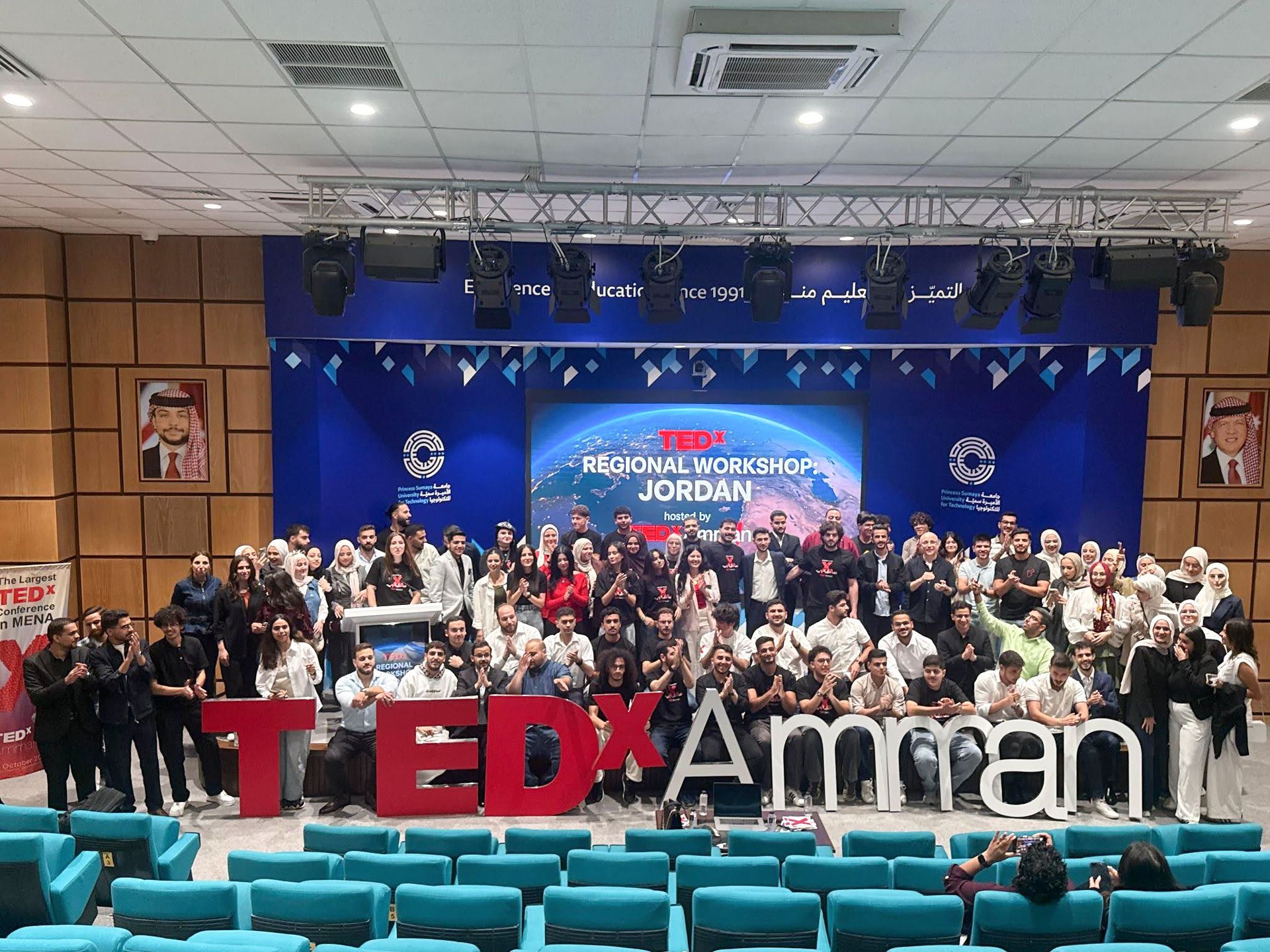
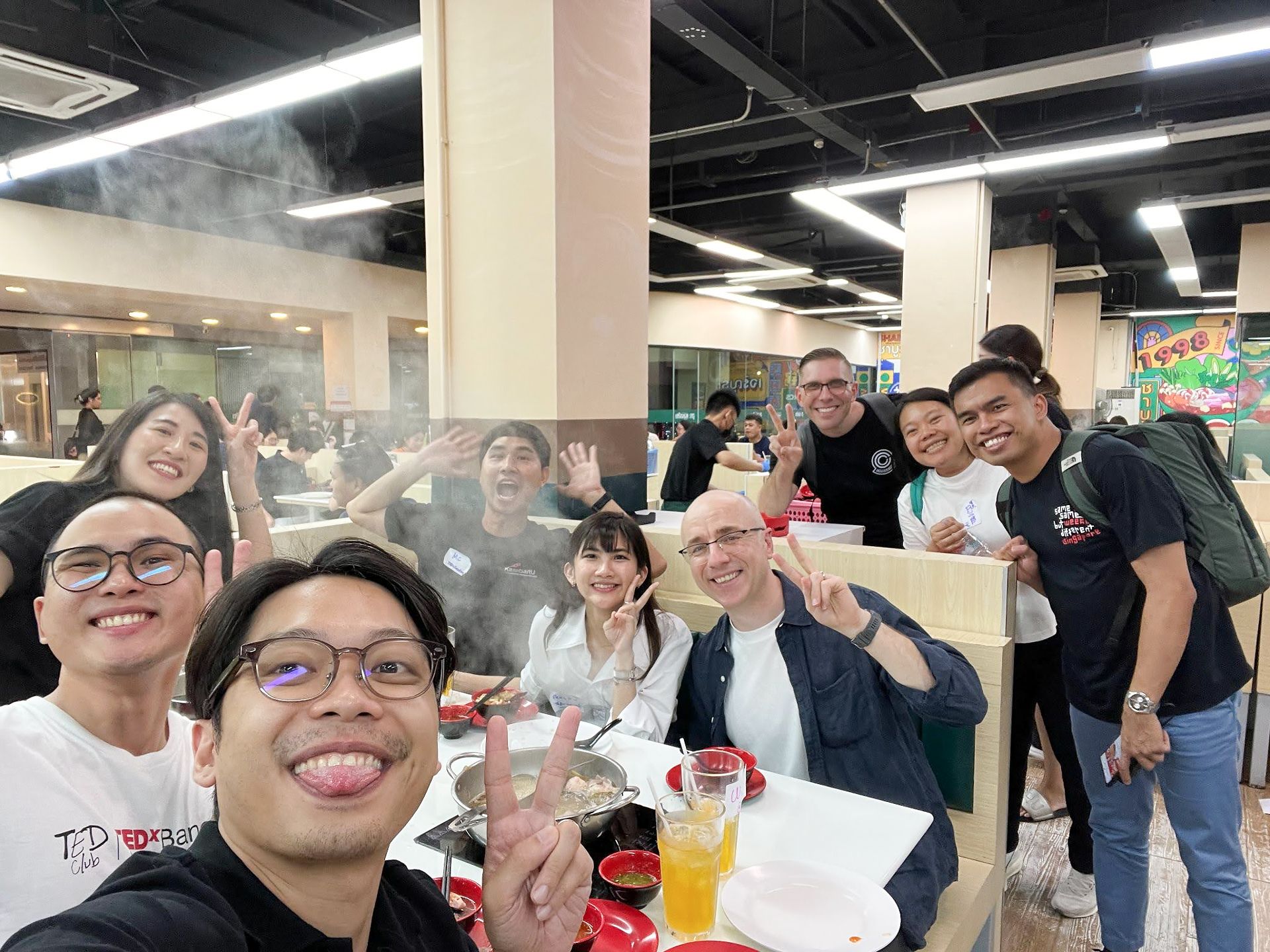
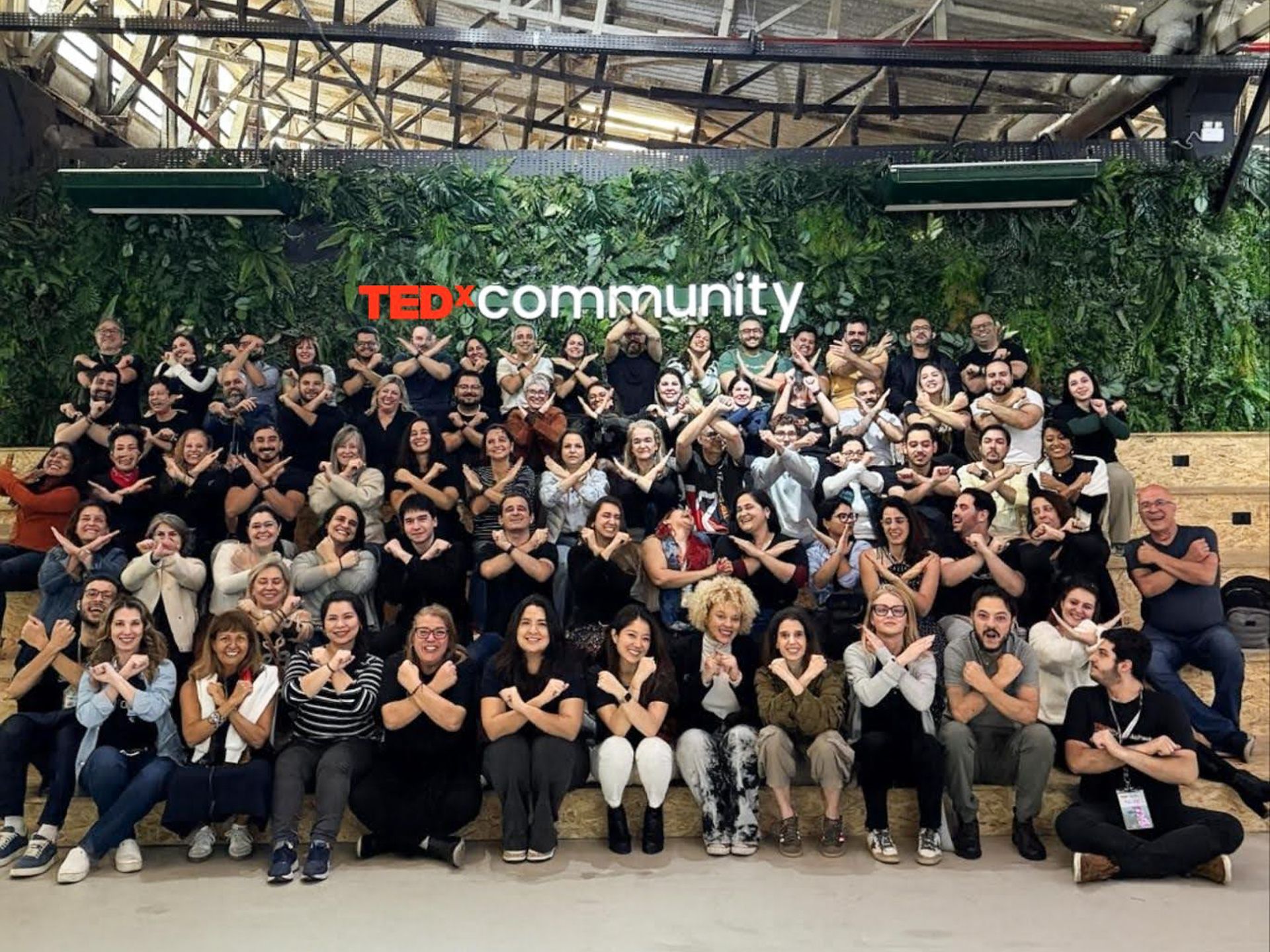
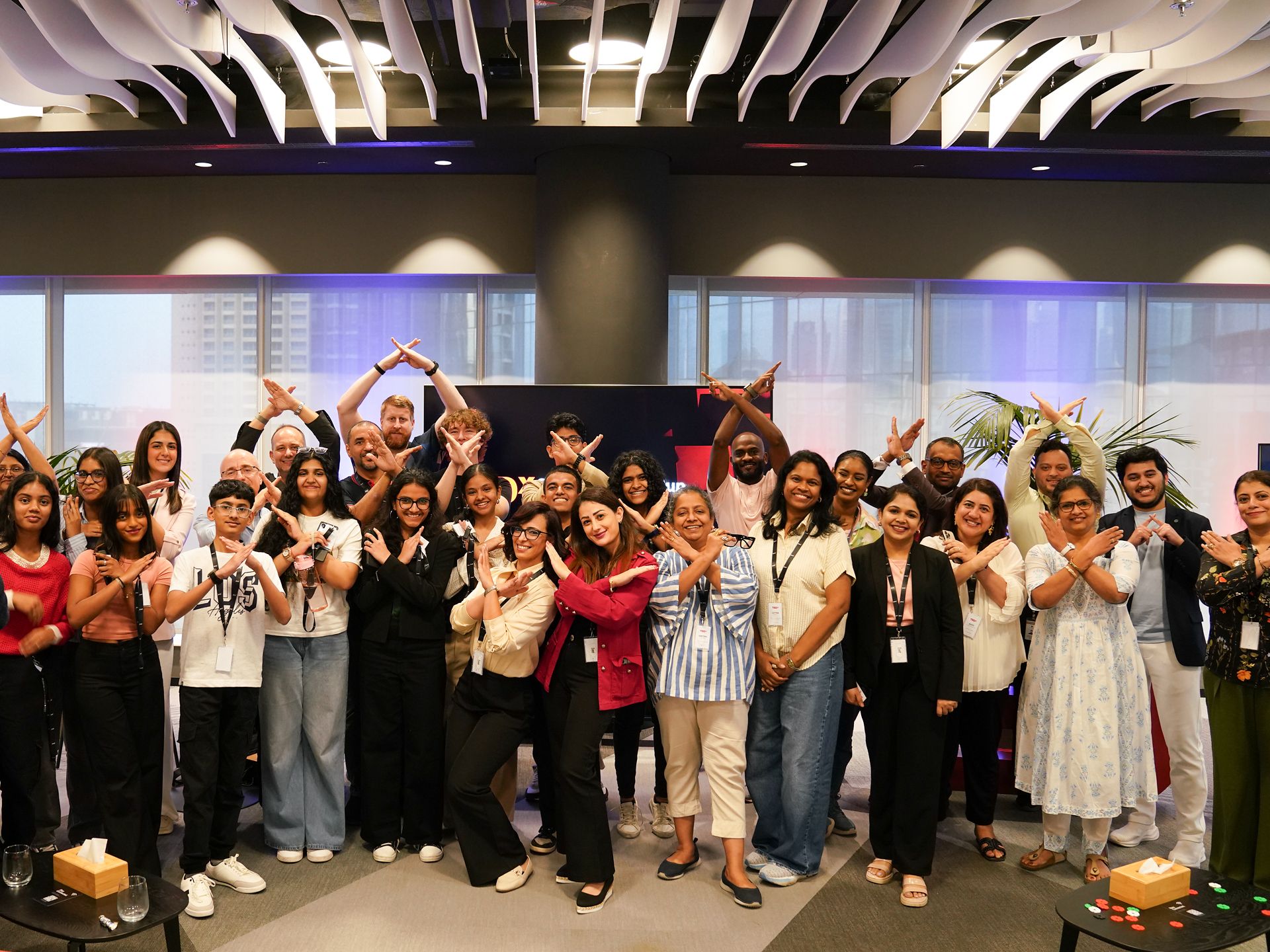
TEDx Regional Workshops
What is a regional workshop?
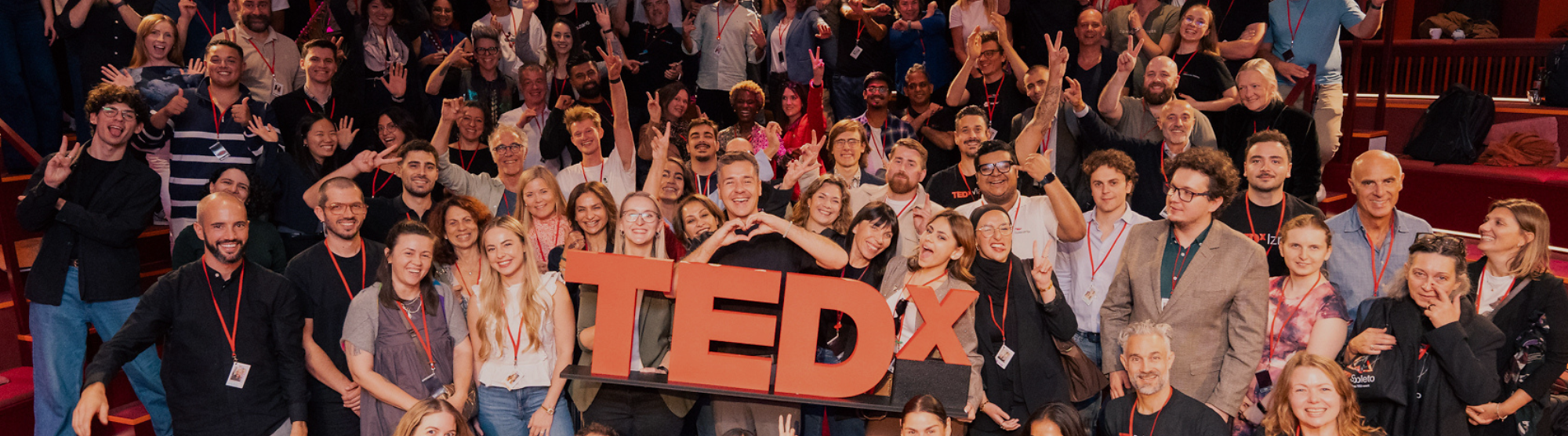
Workshops expand the community's collective knowledge and prepare teams to make an even greater impact at their next TEDx event. They can cover a wide range of topics, but they run on a collaborative spirit. There’s no hierarchy at a regional workshop, since every team has something to contribute.
Who can attend?
Workshops are for TEDx team members only. Any volunteer on an active TEDx team can attend, but prospective organizers, speakers, partners or anyone not currently on a TEDx team cannot.
Apply to host a workshop
Before you apply, know the basics
- Any licensee, co-organizer or team member can host, as long as your team has an active TEDx license.
- A workshop is for a single local region — typically, one can't span multiple countries or regions.
- A workshop is a space for all participants to exchange and share wisdom, not a stage for one host to teach the room.
- Hosting or attending a regional workshop doesn't grant 100+ status. See the list of qualifying events for more information.
- Don't purchase a website, create a social media account, or set up other web properties for your regional workshop.
- Workshops can have a sponsor. You're welcome to include the sponsor's name in the workshop program guide; if a partner wants something more involved, email tedx@ted.com first to confirm.
Applying to host and next steps
- Apply to host your workshop using the regional workshop proposal form which notifies the TED team of your interest. Be ready to share preliminary details around the dates, region, invitation, intended participants and more.
- The TED team will review your proposal, then reach out to fine-tune any final logistics.
- Once it’s finalized, the TED team will contact the organizers in your region on your behalf to send your invitation.
- You'll be able to then get in touch with organizers who respond and be ready to answer attendees’ questions leading up to the workshop.
TEDx Regional workshop proposal form
Plan and host
Regional workshops require advance planning, like any TEDx event, but they don't need to be elaborate. They can last a few hours or a full day and take place in affordable (or free), accessible spaces such as classrooms, parks or community centers.
Plan the workshop
Decide on a structure that fits your community. You might run a single session for the whole group, or break into smaller groups for parts of it. For example, you could: open with introductions or an icebreaker and agree on what you want to get out of the day; then spend the heart of the workshop in real discussion. Watching a TED or TEDx talk together is an easy way to spark conversation.
As for what to cover, you can build a workshop around almost any part of organizing — for example:
- Curation: selecting and coaching speakers, curating the audience
- Fundamentals: TEDx objectives, region-specific issues, common mistakes to avoid
- Partnerships: finding, working with, and keeping partners
- Team building: building and sustaining a team
- Production: filming a talk, livestreaming, organizing around a TED conference (e.g. TEDxLive)
- Promotion: promoting your event, growing your social presence, connecting TEDx to the wider community
- Audience experience: creative activations and engaging attendees before, during, and after
Share your experience after
- Upload any resources to the Regional Workshops folder on the TEDxHub.
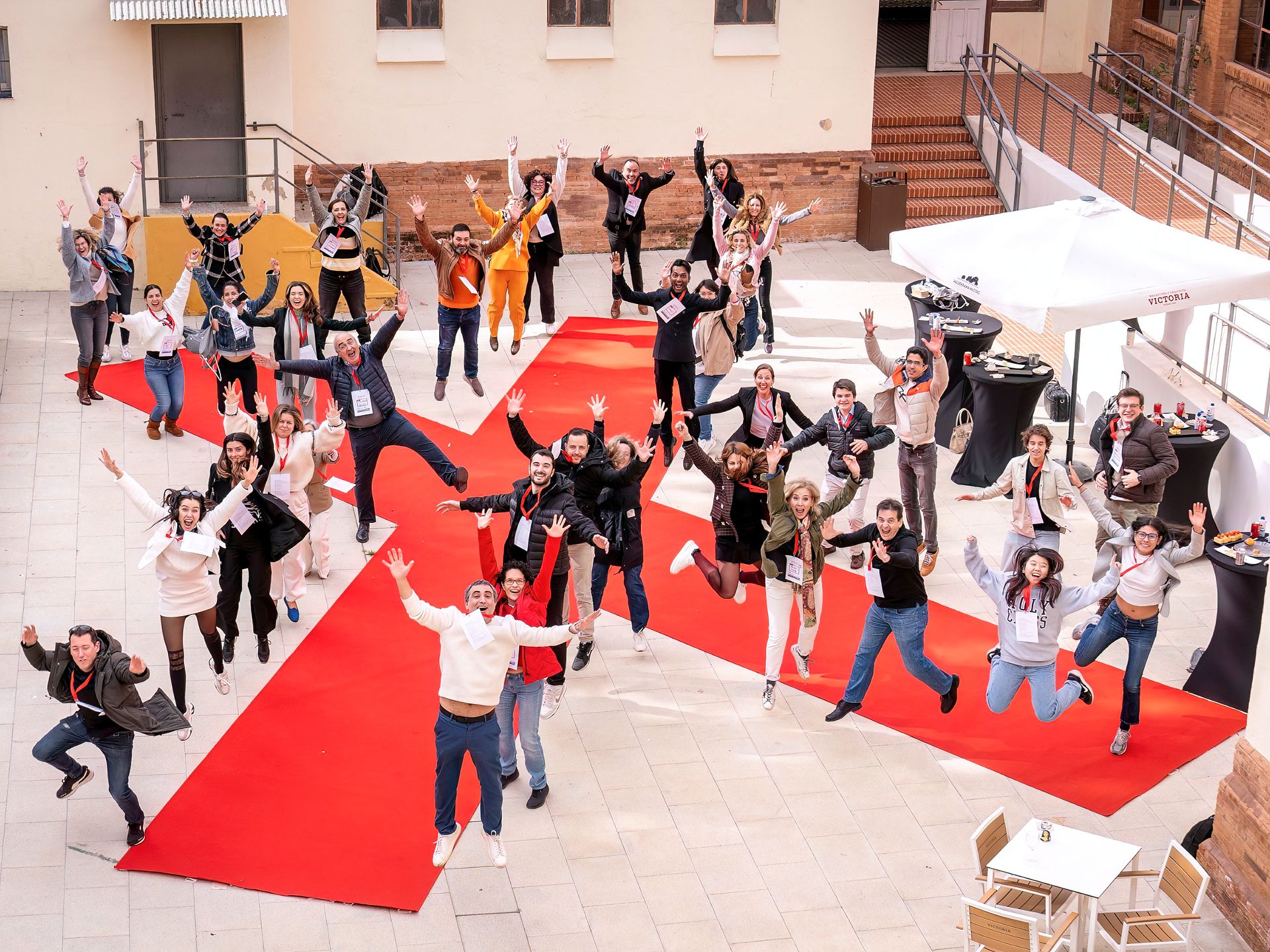
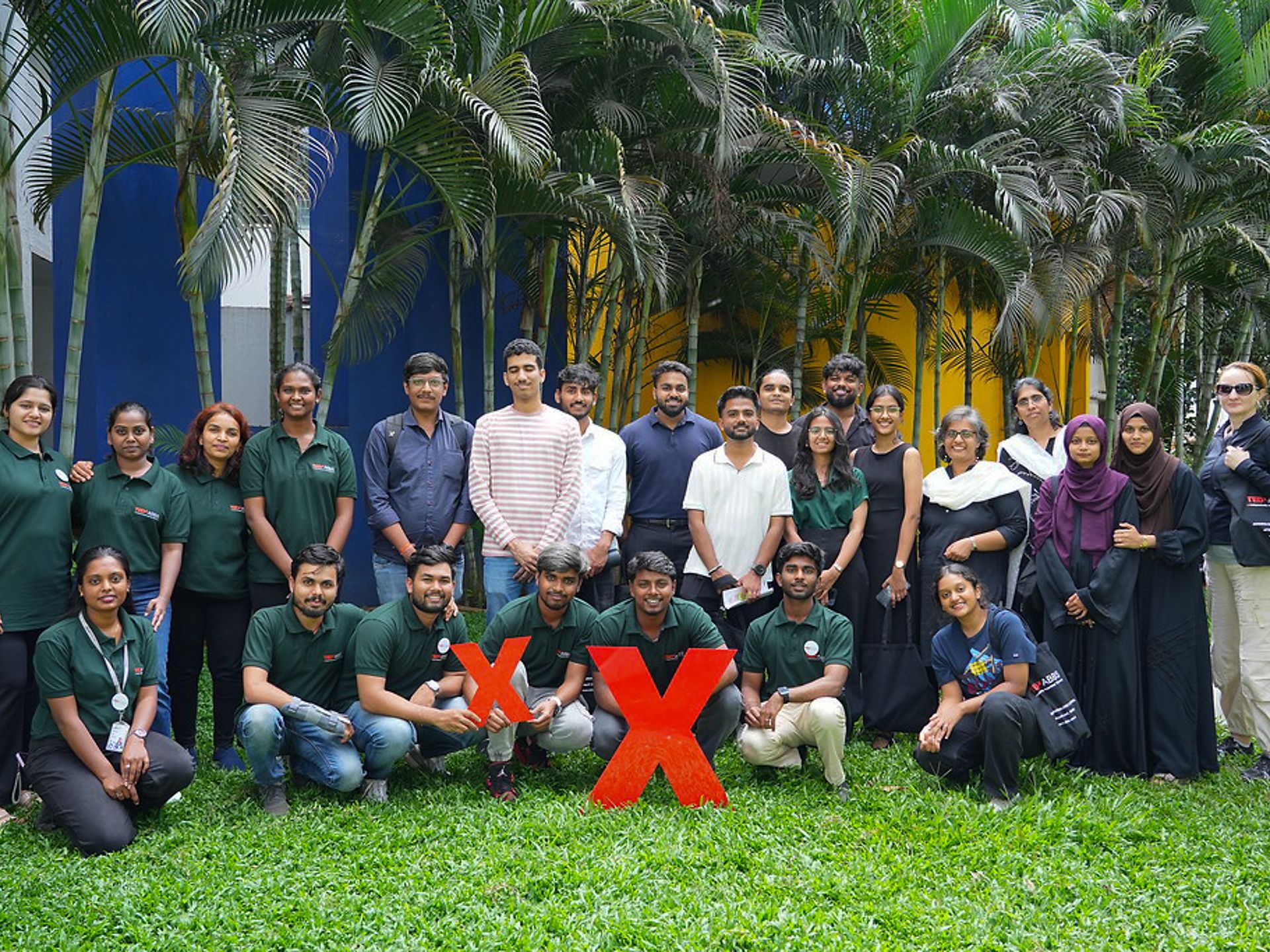
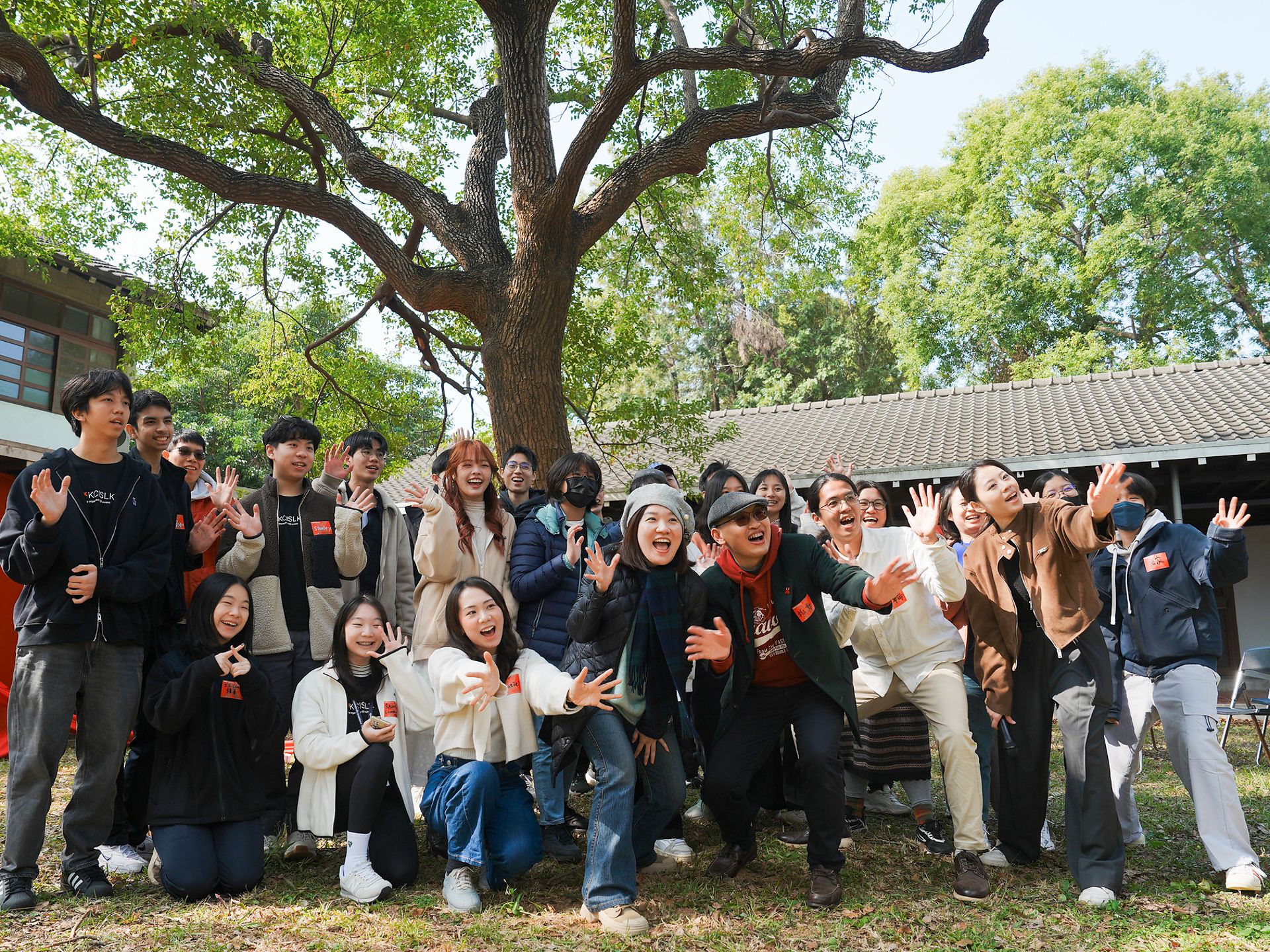
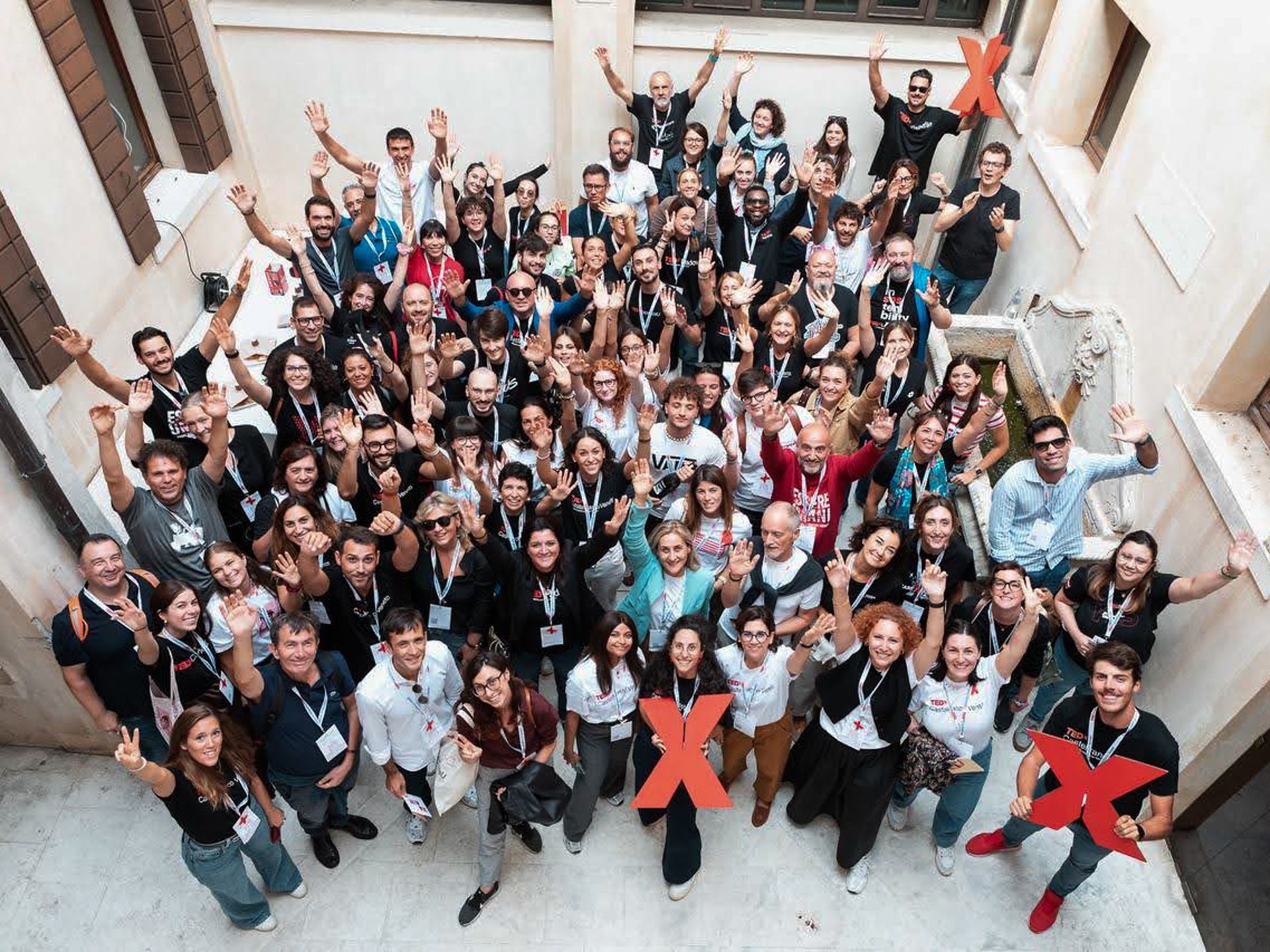
- Upload photos from your gathering to Flickr or share 3-5 favorites on the TEDxHub. On Flickr, tag your photos “TEDx”, “TEDx workshop”, and “TEDx regional workshop.”
- Email tedx@ted.com to share how it went — the TED team will also follow up about contributing to the official scrapbook.
Workshop examples1/8