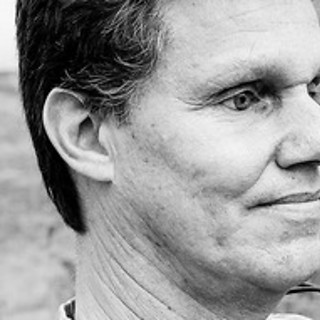
Daniel Kish expands the perceptual toolbox of both blind and sighted humans by teaching echolocation -- the ability to observe our surroundings via sound.
Why you should listen
When he was 13 months old, Daniel Kish lost both eyes to retinal cancer. Driven by fearless curiosity, he taught himself to navigate by clicking his tongue and listening for echoes -- a method science calls echolocation, and that Kish calls FlashSonar.
In 2000, Kish founded World Access for the Blind as a platform to teach FlashSonar, along with other methods that the blind can use to “see” and that the sighted can use to expand their awareness. Kish and many researchers believe that echolocation produces images similar to sight, and allows the visually impaired to transcend the limited expectations of society.
What others say
Daniel Kish has been sightless since he was a year old. Yet he can mountain bike. And navigate the wilderness alone. And recognize a building as far away as 1,000 feet. How? The same way bats can see in the dark.
Daniel Kish’s TED Talk
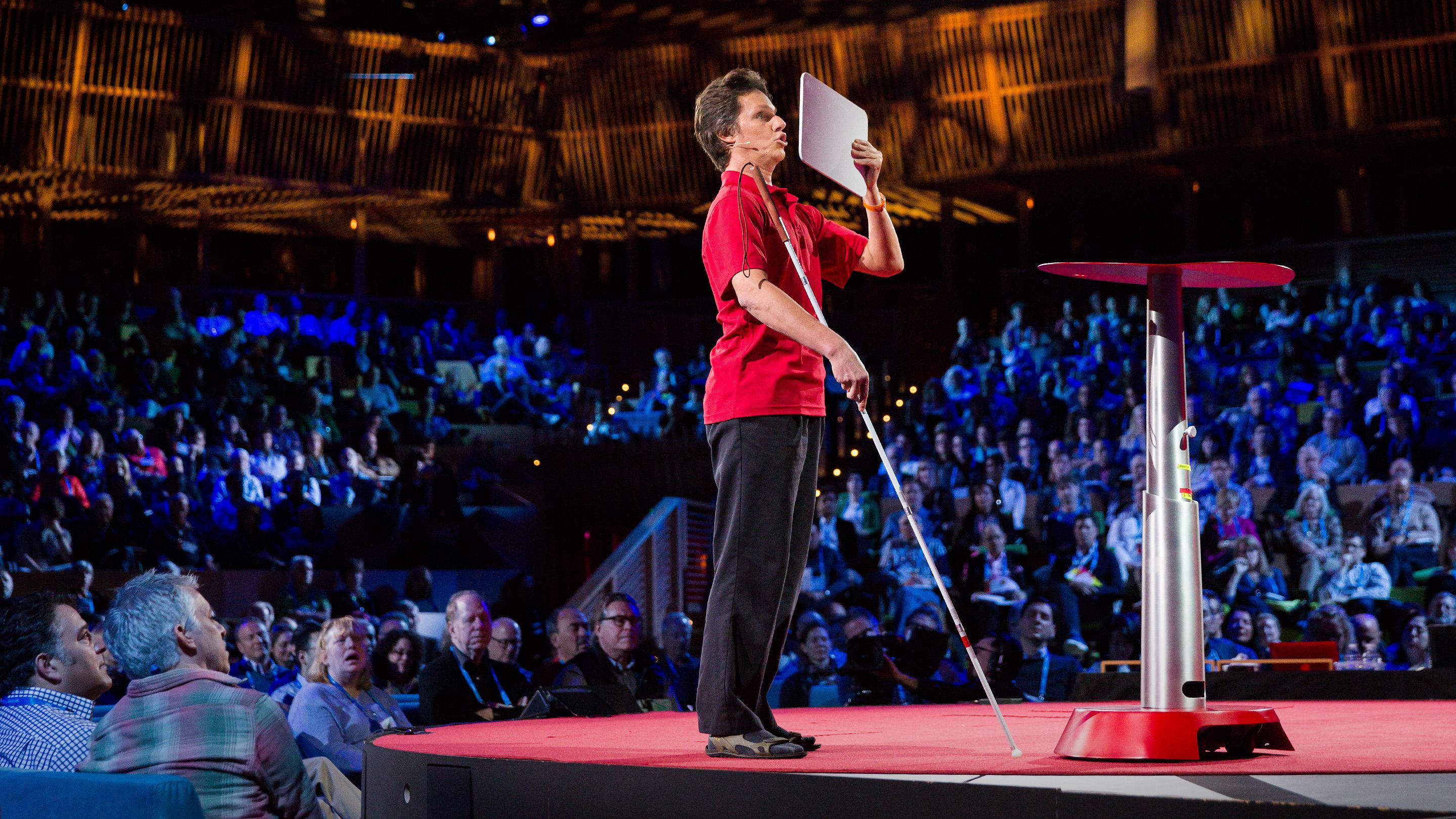
More news and ideas from Daniel Kish
We humans
How a deaf artist and a blind activist experience the world
June 18, 2015
Artist and TED Fellow Christine Sun Kim, deaf since birth, talks with Daniel Kish, who lost his sight to cancer aged 13 months, about sound and sound "etiquette."
Continue readingLive from TED
What are we thinking? A recap of the mind-bending talks in session 2 of TED2015
March 17, 2015
In this session of TED2015, five speakers explored the bounds of perception — from how babies form expectations to how vision is hardly needed to see. Short recaps of these bold talks … The logic of the young mind. Scientists have to make generalizations on tiny amounts of data – and so do babies. Laura Schulz investigates […]
Continue readingWe humans
A walk with Daniel Kish, who navigates the world using “flash sonar”
March 17, 2015
Daniel Kish has been blind since he was 13 months old. He navigates the world using echolocation, sending out flashes of sound that bounce off objects and back to let him construct an understanding of the space around him. He let Kate Torgovnick May tag along as he got ready for TED.
Continue reading