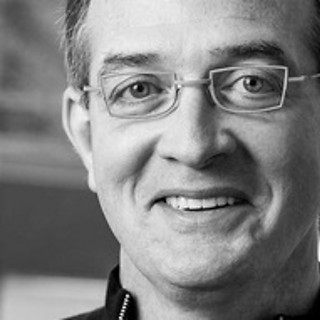
Inspired by open-source software models, Sage Bionetworks co-founder Stephen Friend builds tools that facilitate research sharing on a massive and revolutionary scale.
Why you should listen
While working for Merck, Stephen Friend became frustrated by the slow pace at which big pharma created new treatments for desperate patients. Studying shared models like Wikipedia, Friend realized that the complexities of disease could only be understood -- and combated -- with collaboration and transparency, not by isolated scientists working in secret with proprietary data
In his quest for a solution, Friend co-founded Sage Bionetworks, an organization dedicated to creating strategies and platforms that empower researchers to share and interpret data on a colossal scale -- as well as crowdsource tests for new hypotheses.
As he wrote on CreativeCommons.org, "Our goal is ambitious. We want to take biology from a place where enclosure and privacy are the norm, where biologists see themselves as lone hunter-gatherers working to get papers written, to one where the knowledge is created specifically to fit into an open model where it can be openly queried and transformed."
What others say
Sage ... is attempting to do for biology what Facebook and Twitter have done for social networking, and Linux has for open-source software.
Stephen Friend’s TED Talk
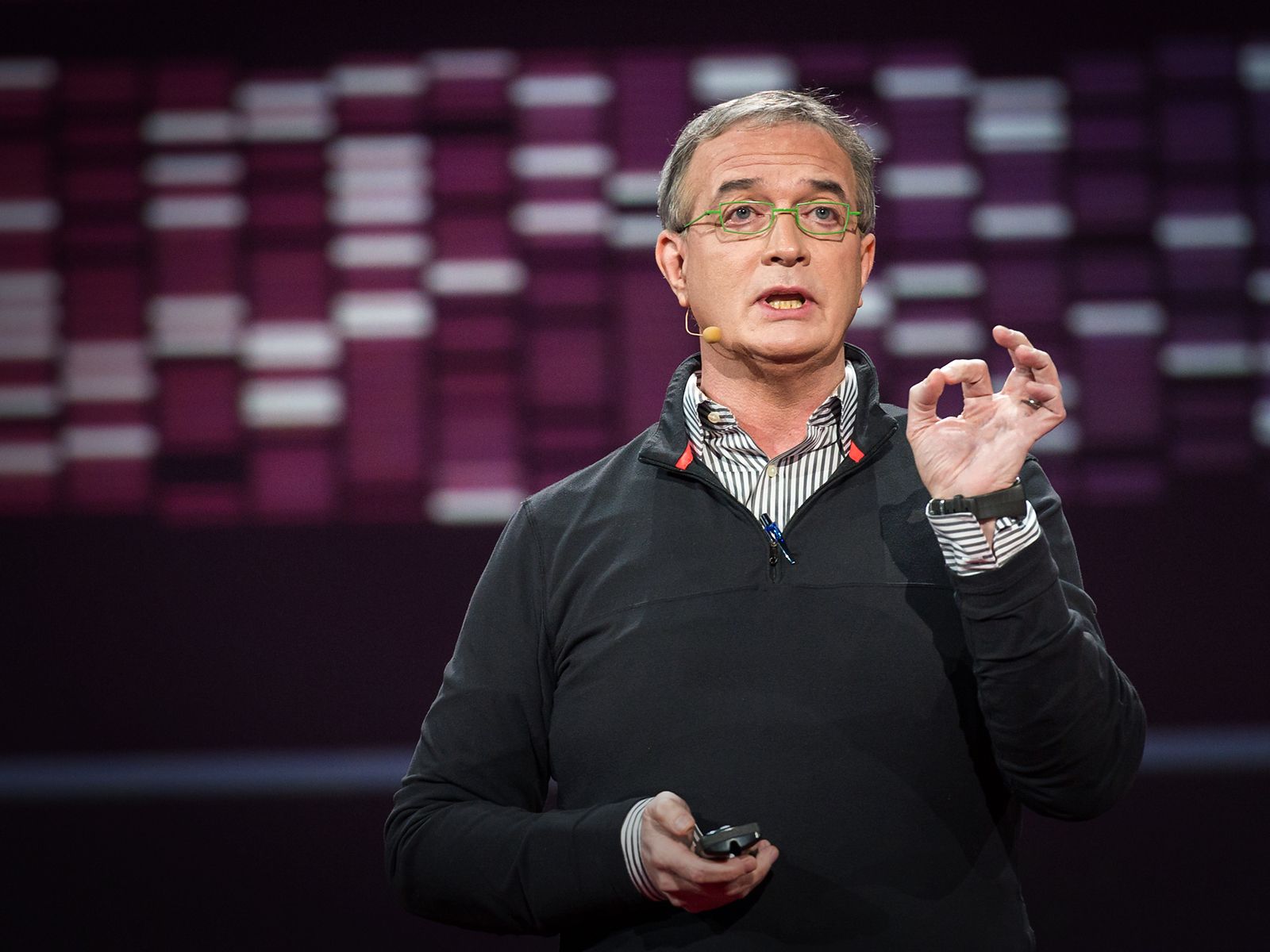
More news and ideas from Stephen Friend
Science
Why you really should share your medical data
May 29, 2014
A lot of people are advocating for pooling medical data and crowdsourcing medical history. But there's a much more interesting reason to share your medical data, and it has to do with finding "resilient" outliers. It's science we should all get behind.
Continue readingLive from TED
Want to prevent genetic disease? Study the healthy … right now: Stephen Friend at TED2014
March 19, 2014
Stephen Friend wants your genes — no, really. Today at TED2014 he announced the Resilience Project, a new crowdsourced effort to understand the quirks and patterns of human genetic code that control — and could help treat — genetic diseases. Thirty years ago, the open-science advocate was working as a pediatric oncologist at the Children’s […]
Continue readingLive from TEDGlobal
Us: The speakers in session 5 of TED2014
March 19, 2014
Who are we? What are we doing here? Such thoughts plague more than just angst-filled teenagers. In this session, speakers take a piercing look at these and other complex questions, challenging preconceived notions of who we really are (let’s not forget microbes), how the brain works — and how consciousness fits into the equation. Here […]
Continue reading