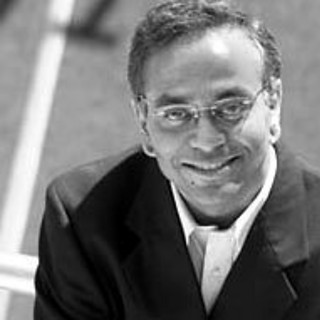
Pawan Sinha researches how our brains interpret what our eyes see -- and uses that research to give blind children the gift of sight.
Why you should listen
At Pawan Sinha's MIT lab, he and his team spend their days trying to understand how the brain learns to recognize and use the patterns and scenes we see around us. To do this, they often use computers to model the processes of the human brain, but they also study human subjects, some of whom are seeing the world for the very first time and can tell them about the experience as it happens. They find these unusual subjects through the humanitarian branch of their research, Project Prakash.
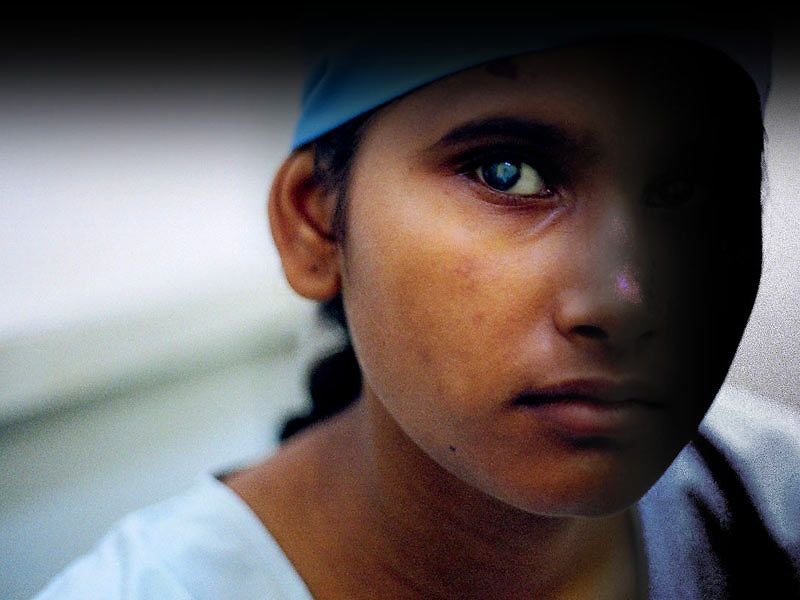
Project Prakash sets up eye-care camps in some of the most habitually underserved regions of India, and gives free eye-health screenings to, since 2003, more than 700 functionally blind children. The children are then treated without charge, even if they do not fit the profile that would make them eligible for Sinha's research.
Sinha's eventual goal is to help 500 children each year; plans are under way for a center for visual rehabilitation in new Delhi. The special relationship that Sinha has created between research and humanitarianism promises to deliver on both fronts.
What others say
The first thing that prompted me was seeing these numbers, the humanitarian goal was just so evident.
Pawan Sinha’s TED Talk
More news and ideas from Pawan Sinha
News
TED News in Brief: Bill Nye joins the cast of “Dancing with the Stars,” Isaac Mizrahi moves on from fashion
September 5, 2013
Bill Nye the Science Guy (watch his TED-Ed lesson) will be joining the cast of “Dancing with the Stars.” New York Magazine says of Nye’s inclusion in the lineup — alongside Snooki, Valerie Harper and Jack Osbourne — that he is “the big get.” How long do we think it will be before he and […]
Continue readingScience
Pawan Sinha shares the moment that inspired his cutting-edge research into how the brain learns to see
July 8, 2013
In the most recent issue of Scientific American, Pawan Sinha shares the eye-opening experience that shook his worldview. When riding through the streets of New Delhi one night in 2002, Sinha’s cab slowed for a red light by a struggling family sitting on the side of the road. Both of the children, emaciated and barefoot, […]
Continue readingTEDIndia
How brains learn to see: Pawan Sinha on TED.com
February 25, 2010
Pawan Sinha details his groundbreaking research into how the brain’s visual system develops. Sinha and his team provide free vision-restoring treatment to children born blind, and then study how their brains learn to interpret visual data. The work offers insights into neuroscience, engineering and even autism. (Recorded at TEDIndia, November 2009, in Mysore, India. Duration: […]
Continue reading