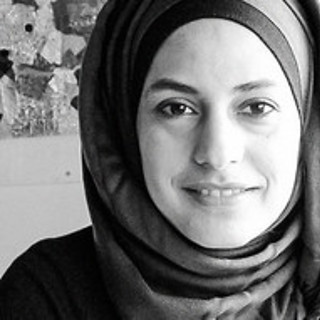
Marwa Al-Sabouni suggests that architecture played a crucial role in the slow unraveling of Syrian cities' social fabric, preparing the way for once-friendly groups to become enemies instead of neighbors.
Why you should listen
Marwa Al-Sabouni was born in Homs, Syria, a city in the central-western part of the war-torn country. Despite the destruction of large parts of the city, she has remained in Homs with her husband and two children throughout the Syrian civil war.
Al-Sabouni has a PhD in Islamic architecture, and is the author of The Battle for Home, a book that explores the role architecture and the built environment play in whether a community crumbles or comes together, offering insights on how her country might be rebuilt. The Battle for Home was chosen by the Guardian as one of the five best architectural books of 2016.
Marwa Al-Sabouni’s TED Talk
More news and ideas from Marwa Al-Sabouni
News
A first glimpse at the TEDSummit 2019 speaker lineup
May 21, 2019
With TEDSummit 2019 just two months away, it’s time to unveil the first group of speakers that will take to the stage in Edinburgh, Scotland, from July 21-25. Three years ago, more than 1,000 members of the TED global community convened in Banff, Canada, for the first-ever TEDSummit. We talked about the fracturing state of […]
Continue readingArchitecture
A TED Talk from a war zone
August 12, 2016
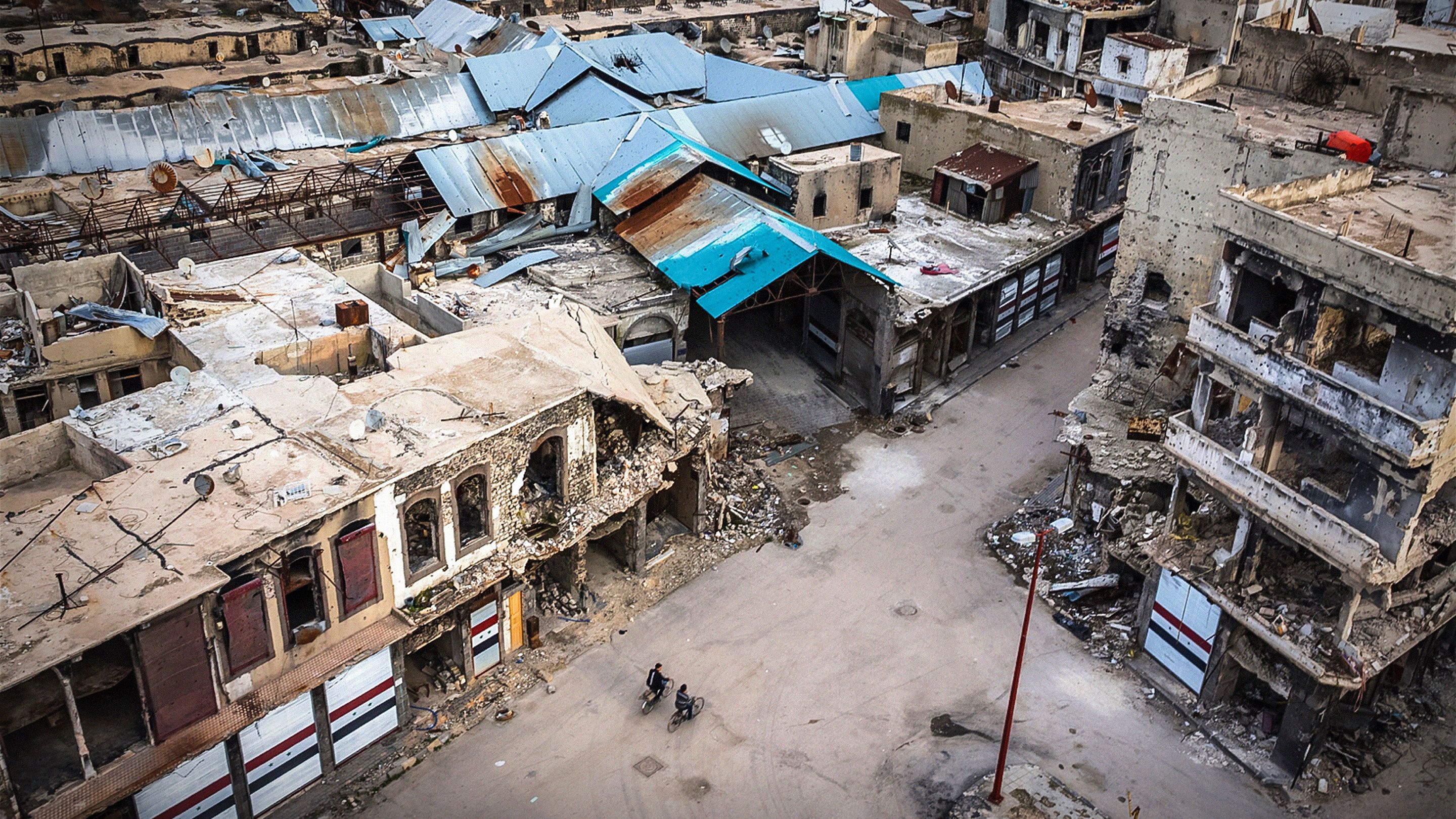
At TEDSummit in June, we featured a talk by a young Syrian architect, Marwa Al-Sabouni. In it, she shares an important and original insight about how the roots of conflict can be traced, among other better-studied reasons, to misdirected and divisive urbanism. She offers the example of her own country, where violent conflict has been […]
Continue readingLive from TEDSummit 2016
How Syria’s buildings laid the foundation for brutal war: Marwa Al-Sabouni at TEDSummit
June 29, 2016
“E pluribus unum” worked in Syria once too. The merciless six-year civil war in Syria has destroyed cities, killed hundreds of thousands of people and displaced millions more. The Syria of a decade ago is but a memory. The causes have been detailed exhaustively — social, economic, religious, geopolitical. But one woman, an architect who […]
Continue reading