
Marla Spivak researches bees’ behavior and biology in an effort to preserve this threatened, but ecologically essential, insect.
Why you should listen
Bees pollinate a third of our food supply -- they don’t just make honey! -- but colonies have been disappearing at alarming rates in many parts of the world due to the accumulated effects of parasitic mites, viral and bacterial diseases, and exposure to pesticides and herbicides. Marla Spivak, University of Minnesota professor of entomology and 2010 MacArthur Fellow, tries as much as possible to think like bees in her work to protect them. They’re “highly social and complex” creatures, she says, which fuels her interest and her research.
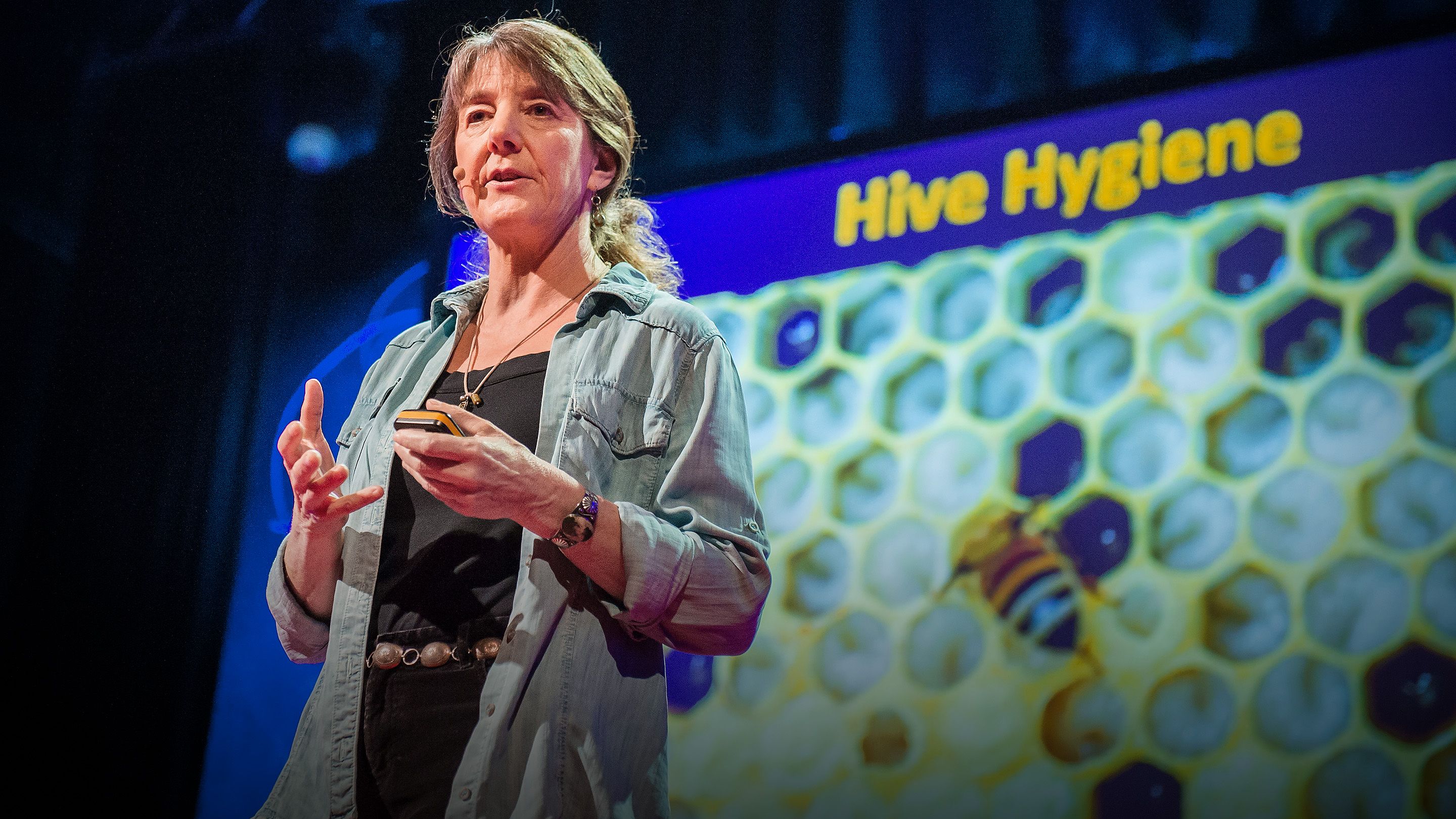
Spivak has developed a strain of bees, the Minnesota Hygienic line, that can detect when pupae are infected and kick them out of the nest, saving the rest of the hive. Now, Spivak is studying how bees collect propolis, or tree resins, in their hives to keep out dirt and microbes. She is also analyzing how flowers’ decline due to herbicides, pesticides and crop monoculture affect bees’ numbers and diversity. Spivak has been stung by thousands of bees in the course of her work.
What others say
Bees have a champion in Marla Spivak.
Marla Spivak’s TED Talk
More news and ideas from Marla Spivak
Science
What is it about bees? Three experts on why they’re fascinating, why they’re dying, what can save them
September 17, 2013
In 1945, there were 4.5 million hives of bees in the United States. Today, there are just about 2 million. It’s been a subtle decline over time, but one that has dramatically accelerated over the past seven years. And this should be extremely alarming, given that bees pollinate one-third of the world’s crops. In today’s […]
Continue readingScience
What is it about bees? Three experts on why they’re fascinating, why they’re dying, what can save them
September 17, 2013
In 1945, there were 4.5 million hives of bees in the United States. Today, there are just about 2 million. It’s been a subtle decline over time, but one that has dramatically accelerated over the past seven years. And this should be extremely alarming, given that bees pollinate one-third of the world’s crops. In
Continue readingLive from TEDGlobal
The big bee bummer: Marla Spivak at TEDGlobal 2013
June 12, 2013
Our supermarket produce aisles would look very, very bare without bees. As MacArthur Fellow Marla Spivak explains on the TEDGlobal stage, this is something we should all be extremely concerned about: the dramatic drop in bee populations that’s been taking place over the past seven years. (Read The New York Times’ take on the especially scary drop in […]
Continue reading