
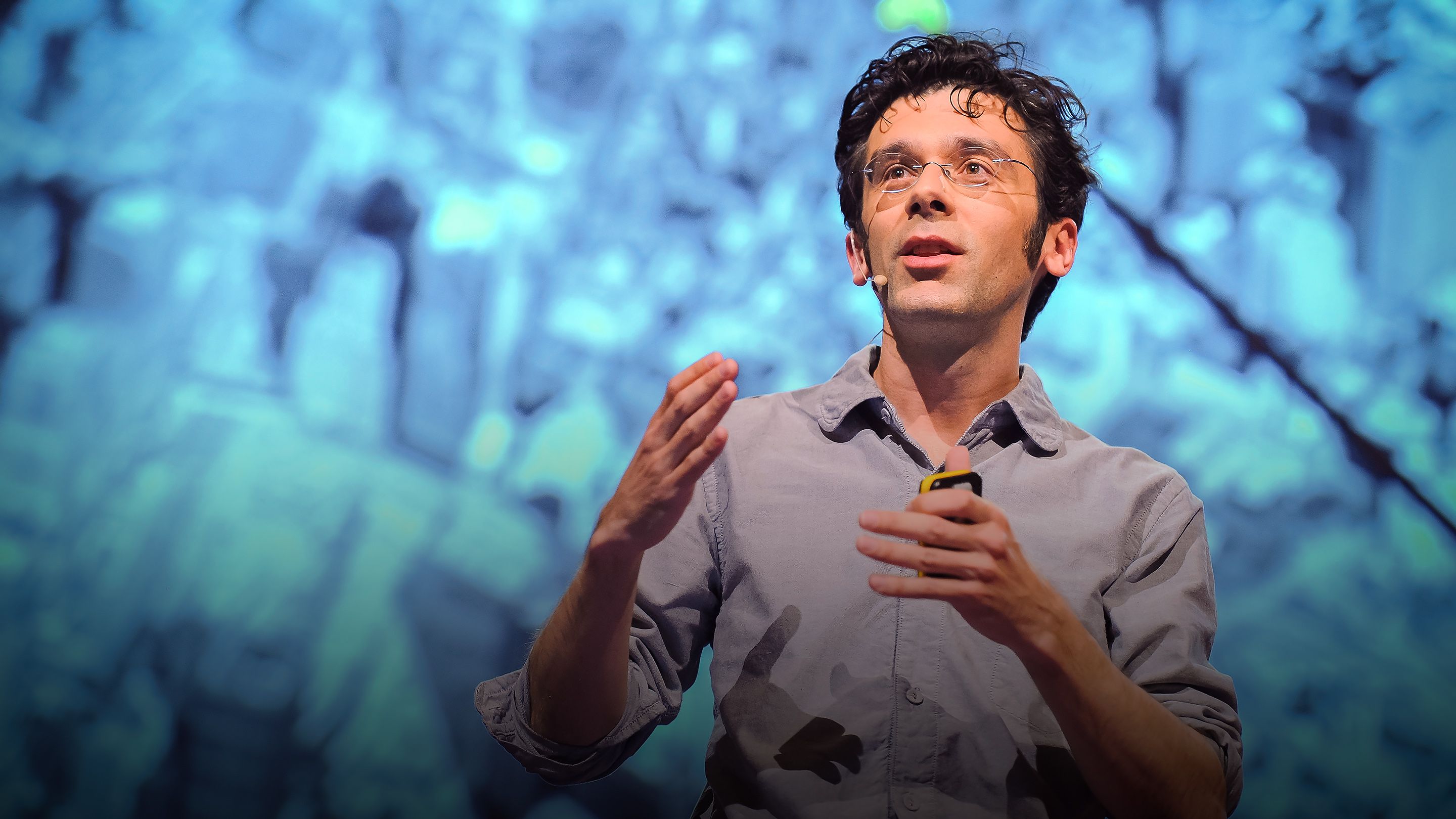
Kevin Slavin navigates in the algoworld, the expanding space in our lives that’s determined and run by algorithms.
Why you should listen
Are you addicted to the dead-simple numbers game Drop 7 or Facebook’s Parking Wars? Blame Kevin Slavin and the game development company he co-founded in 2005, Area/Code, which makes clever game entertainments that enter the fabric of reality.
All this fun is powered by algorithms -- as, increasingly, is our daily life. From the Google algorithms to the algos that give you “recommendations” online to those that automatically play the stock markets (and sometimes crash them): we may not realize it, but we live in the algoworld.
He says: "The quickest way to find out what the boundaries of reality are is to figure where they break."
What others say
Kevin Slavin sees a world where games shape life and life shapes games.
Kevin Slavin’s TED Talk
More news and ideas from Kevin Slavin
In Brief
Bronwyn King leads global pledge for tobacco-free finance, and more TED news
September 28, 2018
The TED community has been making headlines — here are a few highlights. Tobacco-free finance initiative launched at the UN. Oncologist and Tobacco Free Portfolios CEO Bronwyn King has made it her mission to detangle the worlds of finance and tobacco — and ensure that no one will ever accidentally invest in a tobacco company […]
Continue readingIn Brief
A noninvasive method for deep brain stimulation, a new class of Emerging Explorers, and much more
June 16, 2017
As usual, the TED community has lots of news to share this week. Below, some highlights. Surface-level brain stimulation. The delivery of an electric current to the part of the brain involved in movement control, known as deep brain stimulation, is sometimes used to treat people with Parkinson’s disease, depression, epilepsy and obsessive compulsive disorder. […]
Continue readingArts + Design
The most interesting ideas in architecture right now
June 29, 2016
Architecture expos are often futurist fantasias of design -- but this year's Venice Architecture Biennale imagines how humanity's first art can house (and treat) us all better.
Continue reading