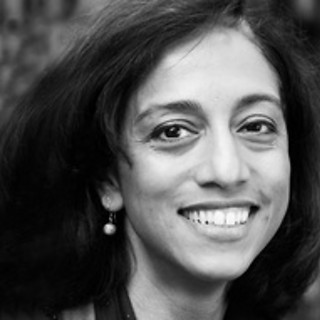
Kavita Ramdas directs the Global Fund for Women, the largest foundation in the world supporting women's human rights across all borders.
Why you should listen
Kavita Ramdas is president and CEO of the Global Fund for Women, a publicly supported grantmaking foundation that advances human rights by investing in women-led organizations worldwide. Over the past 22 years, the Global Fund has provided more than 7,000 grants, reaching more than 3,000 groups. Since Ramdas took the reins, the fund's assets have more than tripled -- and so has the number of countries the group works in, now at 170.
The Global Fund for Women contributes to groups that improve women's economic security, work to end gender-based violence, increase access to education at all stages of life, provide critical health services and encourage women to take leadership roles in the public sector. In interviews, Ramdas has said that grantmakers can learn as much from applicants as applicants do from them. This is a philosophy she employs at Global Fund, where grants are often given with as few strings attached as possible, and proposals are accepted in any language. Her vision stands to change the game, not only in women's rights but in philanthropy as a whole.
What others say
Being a philanthropist doesn't mean necessarily writing a huge check. It can mean mobilizing your community to start asking questions.
Kavita Ramdas’ TED Talk
More news and ideas from Kavita Ramdas
TEDIndia
Radical women, embracing tradition: Kavita Ramdas on TED.com
April 26, 2010
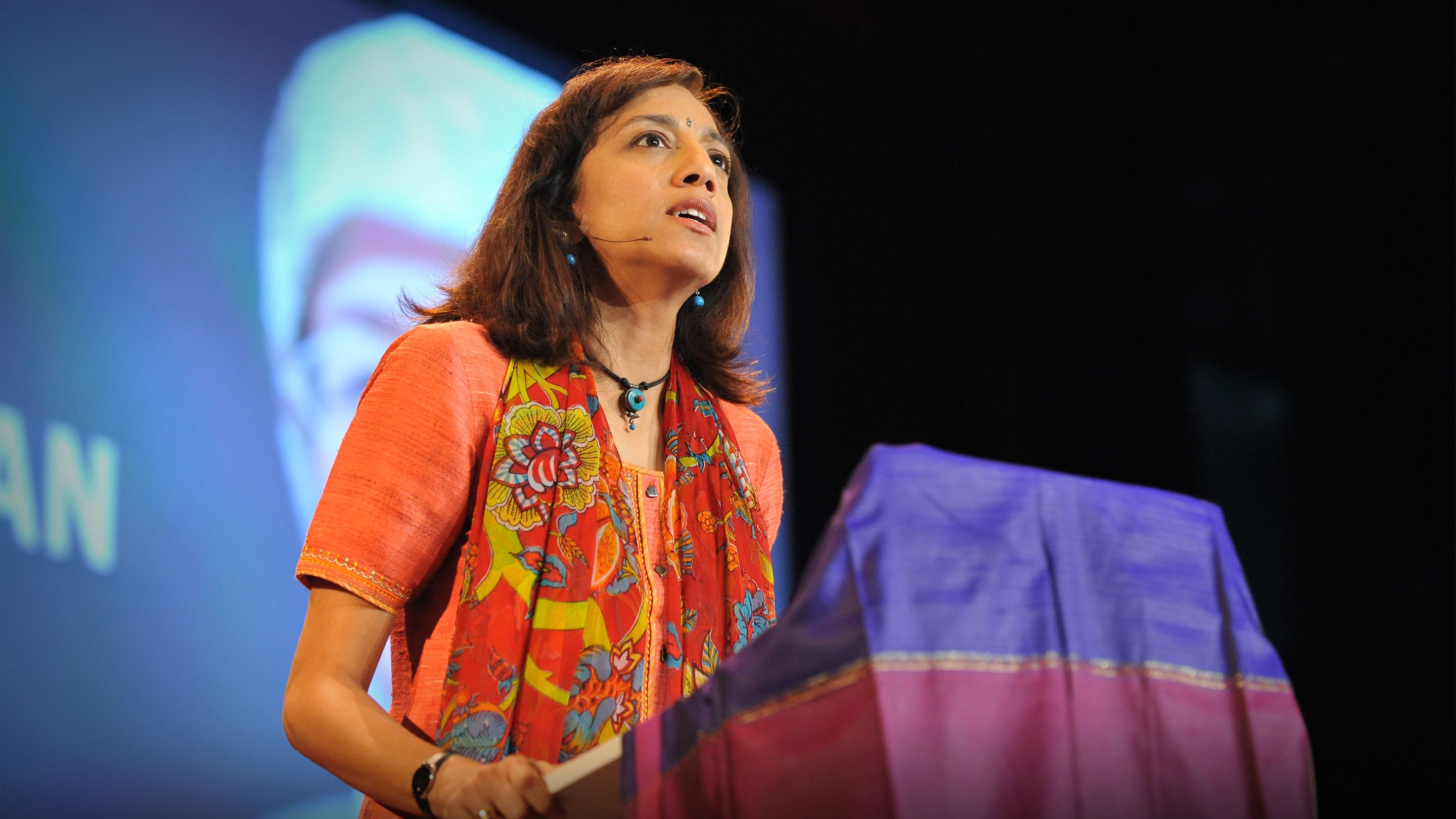
What does an empowered woman look like? Can she wear a burqa, a hijab, a sari? Kavita Ramdas talks about three remarkable women who celebrate their cultural heritage — while working to reform its oppressive traditions. (Recorded at TEDIndia, November 2009 in Mysore, India. Duration: 6:08) Watch Kavita Ramdas’ talk on TED.com, where you can […]
Continue readingTEDIndia
The Buzz: Kavita Ramdas on women's world
November 6, 2009
Kavita Ramdas, director of the Global Fund for Women, investigated how women are redefining certain paradoxes in their lives, for example the balance between modernity and tradition, and preserving a culture which has oppressive elements. Here are the reactions from Facebook and Twitter: Kavita Ramdas: Many women are using religious practices as instruments of opposition […]
Continue reading