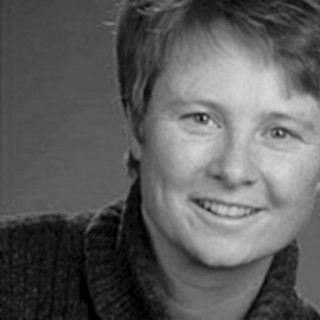
Janine Benyus
Science writer, innovation consultant, conservationist
A self-proclaimed nature nerd, Janine Benyus' concept of biomimicry has galvanized scientists, architects, designers and engineers into exploring new ways in which nature's successes can inspire humanity.
Why you should listen
In the world envisioned by science author Janine Benyus, a locust's ability to avoid collision within a roiling cloud of its brethren informs the design of a crash-resistant car; a self-cleaning leaf inspires a new kind of paint, one that dries in a pattern that enables simple rainwater to wash away dirt; and organisms capable of living without water open the way for vaccines that maintain potency even without refrigeration -- a hurdle that can prevent life-saving drugs from reaching disease-torn communities. Most important, these cool tools from nature pull off their tricks while still managing to preserve the environment that sustains them, a life-or-death lesson that humankind is in need of learning.
As a champion of biomimicry, Benyus has become one of the most important voices in a new wave of designers and engineers inspired by nature. Her most recent project, AskNature, explores what happens if we think of nature by function and looks at what organisms can teach us about design.
What others say
The sophisticated, almost pro-growth angle of Benyus shows the great potential profitability of copying some of nature's time-tested, nonpolluting, room-temperature manufacturing and computing technologies.
Janine Benyus’ TED Talks
More news and ideas from Janine Benyus
Science
How can we learn to use energy more wisely? Let’s look to nature as a guide
December 18, 2019
From geese flying through the sky in formation to schools of fish swimming in the ocean, the world's creatures show an efficiency that is the envy of physicists, architects and designers. Writer Gary Ferguson explains the inspiration that we humans can draw from how energy flows in the natural world.
Continue readingBusiness
Why we need to move toward an economy that can regenerate itself
April 11, 2018
The old take-make-use-lose model of industrial design has depleted resources and dumped waste into the environment. By taking nature as our model and mentor, we can transform manufacturing -- and the earth, says economist Kate Raworth.
Continue readingLive from TED
In case you missed it: Day 2 at TED2014
March 19, 2014
So what went down at TED on day two? Well, a lot, as it happens. As curator Chris Anderson commented rather tiredly later, “that was the most intense day of TED I can remember, ever.” Here, a lightning round-up of some of the day’s key moments. Edward Snowden trundles onto stage The first big surprise […]
Continue reading