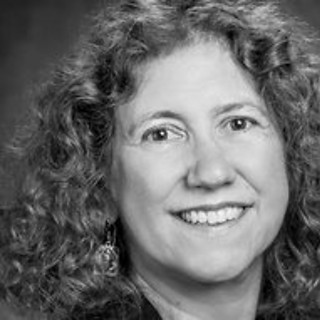
Gabriela González is part of the collaboration of more than 1,000 scientists who measured for the first time the gravitational waves that Einstein predicted over 100 years ago.
Why you should listen
Gabriela González is a physicist working on the discovery of gravitational waves with the LIGO team. She was born in Córdoba, Argentina, studied physics at the University of Córdoba, and pursued her PhD at Syracuse University, which obtained in 1995. She worked as a staff scientist in the LIGO group at MIT until 1997, when she joined the faculty at Penn State. In 2001 she joined the faculty at LSU, where she is a professor of physics and astronomy. She has received awards from the American Physical Society, the American Astronomical Society and the National Academy of Sciences, and she is a member of the Academy of Arts and Sciences and the National Academy of Sciences.
González has been a member of the LIGO Scientific Collaboration since it was funded in 1997, served as the elected LSC spokesperson in 2011-2017, and is known for participating in the announcement of the discovery of gravitational waves in 2016. Her work has focused on LIGO instrument development (especially reducing noise sources and tuning alignment systems) and LIGO data calibration and diagnostics, critical to increasing the astrophysical reach of data analysis methods.
Gabriela González’s TED Talk
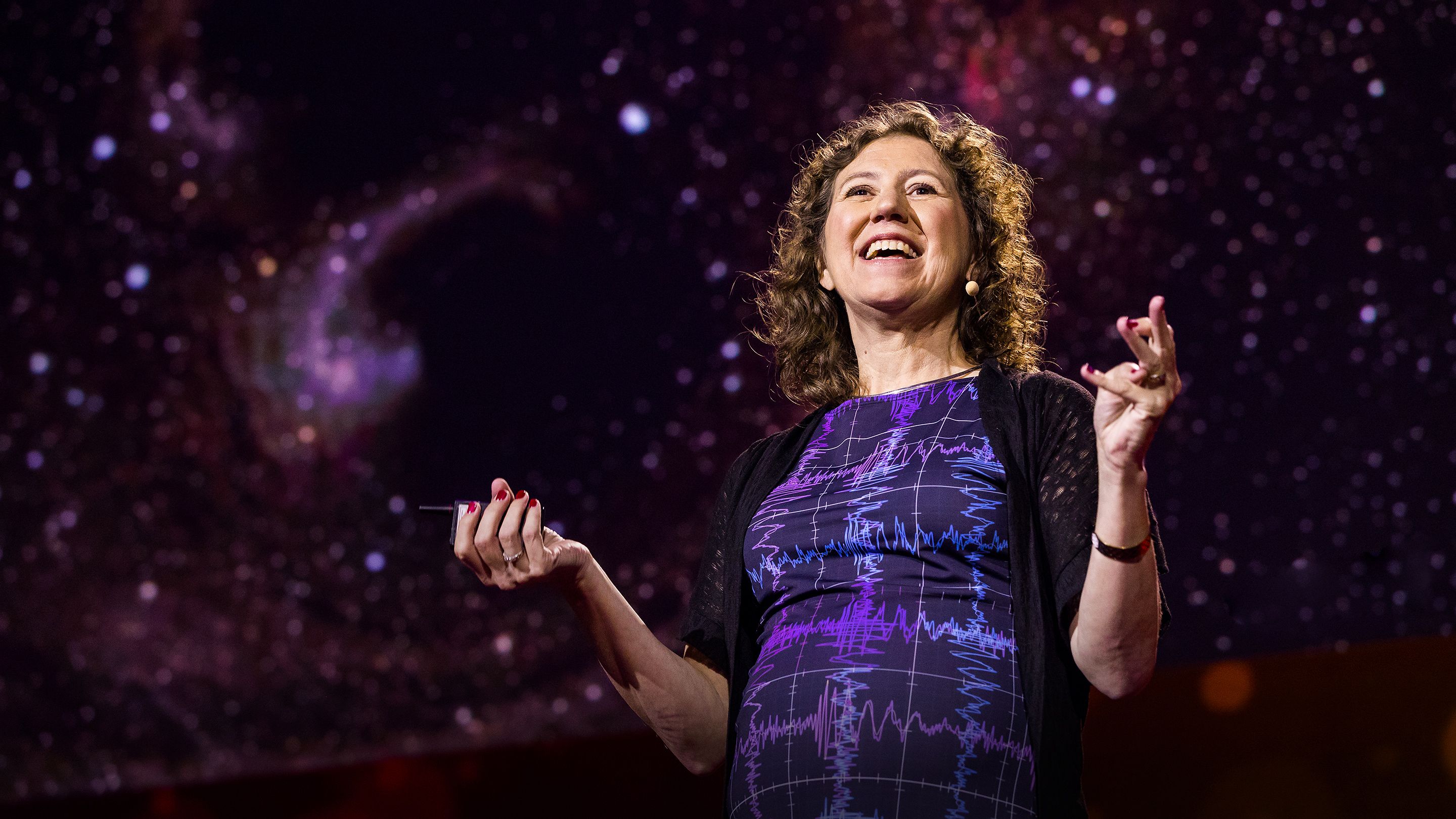
More news and ideas from Gabriela González
Science
La historia detrás de la detección de ondas gravitacionales
October 6, 2017
Tres científicos estadounidenses recibieron el Premio Nobel por su descubrimiento sobre el espacio-tiempo. La astrofísica del equipo LIGO, Gabriela González, nos cuenta acerca de todos los investigadores, el trabajo y la tecnología que contribuyeron a este gran logro.
Continue readingScience
The story behind LIGO’s detection of gravitational waves
October 5, 2017
Three American scientists have just been awarded the Nobel Prize for their space-time breakthrough, and LIGO team astrophysicist Gabriela González tells us about all the researchers, work and technology that contributed to it.
Continue readingIn Brief
Filmmaker Jen Brea gets a Sundance fellowship, Pamela Ronald makes the case for engineered rice, and more
May 19, 2017
Behold, your recap of TED-related news: A new Sundance grant helps indie films get seen. Making a film is hard enough — but getting the film seen by an audience can be just as difficult, especially in this era of non-stop media shifts. To help, Sundance just launched the Creative Distribution Fellowship — and among […]
Continue reading