
Elizabeth Loftus
False memories scholar
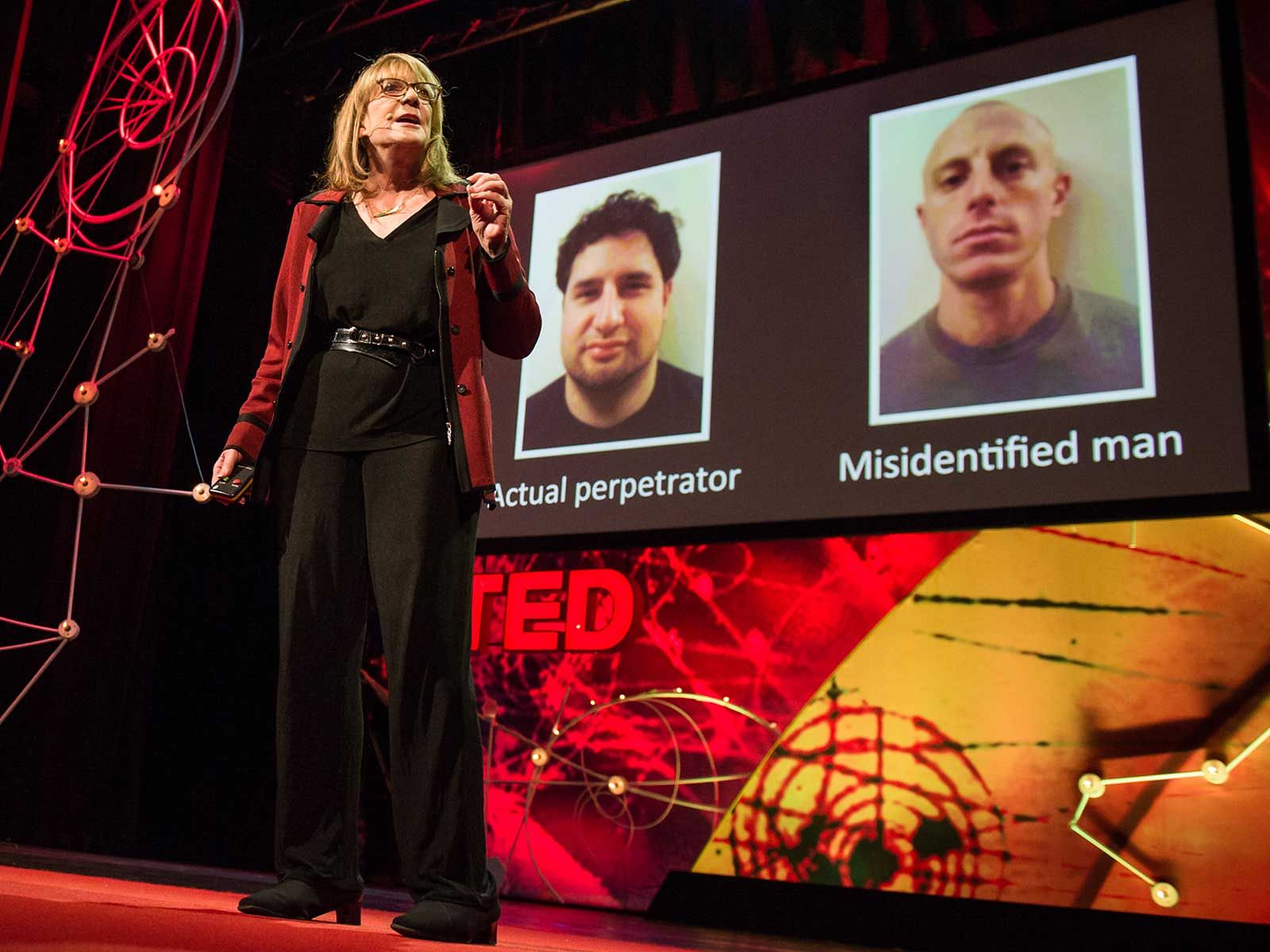
Memory-manipulation expert Elizabeth Loftus explains how our memories might not be what they seem -- and how implanted memories can have real-life repercussions.
Why you should listen
Elizabeth Loftus altered the course of legal history by revealing that memory is not only unreliable, but also mutable. Since the 1970s, Loftus has created an impressive body of scholarly work and has appeared as an expert witness in hundreds of courtrooms, bolstering the cases of defendants facing criminal charges based on eyewitness testimony, and debunking “recovered memory” theories popular at the time, as in her book The Myth of Repressed Memory: False Memories and Allegations of Sexual Abuse (with Katherine Ketcham).
Since then, Loftus has dedicated herself to discovering how false memories can affect our daily lives, leading her to surprising therapeutic applications for memory modification -- including controlling obesity by implanting patients with preferences for healthy foods.
What others say
Loftus... has demonstrated repeatedly how unreliable memory is, going so far as to show that full-grown adults can have entire fake memories implanted in their psyches
Elizabeth Loftus’ TED Talk
More news and ideas from Elizabeth Loftus
Science
How one researcher is studying that tingly, universal, unmistakable and unsettling phenomenon known as déjà vu
June 16, 2017
Déjà vu -- we all know it when we feel it, but could we make it happen in someone else? Psychology researcher Anne Cleary figured out a way.
Continue readingIdeas
Think you’ve got a terrible memory? You don’t know the half of it
February 19, 2014
Last year, MIT neuroscientists Xu Liu and Steve Ramirez manipulated the memory of a mouse. In a fascinating and mildly troubling breakthrough caused by a laser and the protein channelrhodopsin, they “activated” fear memories in a mouse. The impetus, says Ramirez, was the awful feeling of a break-up, the desire, Eternal Sunshine-style, to erase the […]
Continue readingScience
Think you’ve got a terrible memory? You don’t know the half of it
February 19, 2014
What happens when the technology for manipulation on the neural level becomes possible? Could there be a future therapy for people with depression or PTSD -- or heartbreak? Do people really want to have their memories manipulated? Elizabeth Loftus, Steve Ramirez and Xu Liu grapple with some big questions.
Continue reading