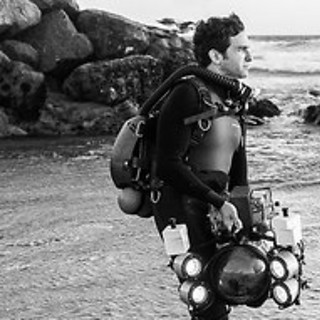
David Gruber
Marine biologist and President of Project CETI
David Gruber and his team take a delicate approach to understanding whales and other life forms.
Why you should listen
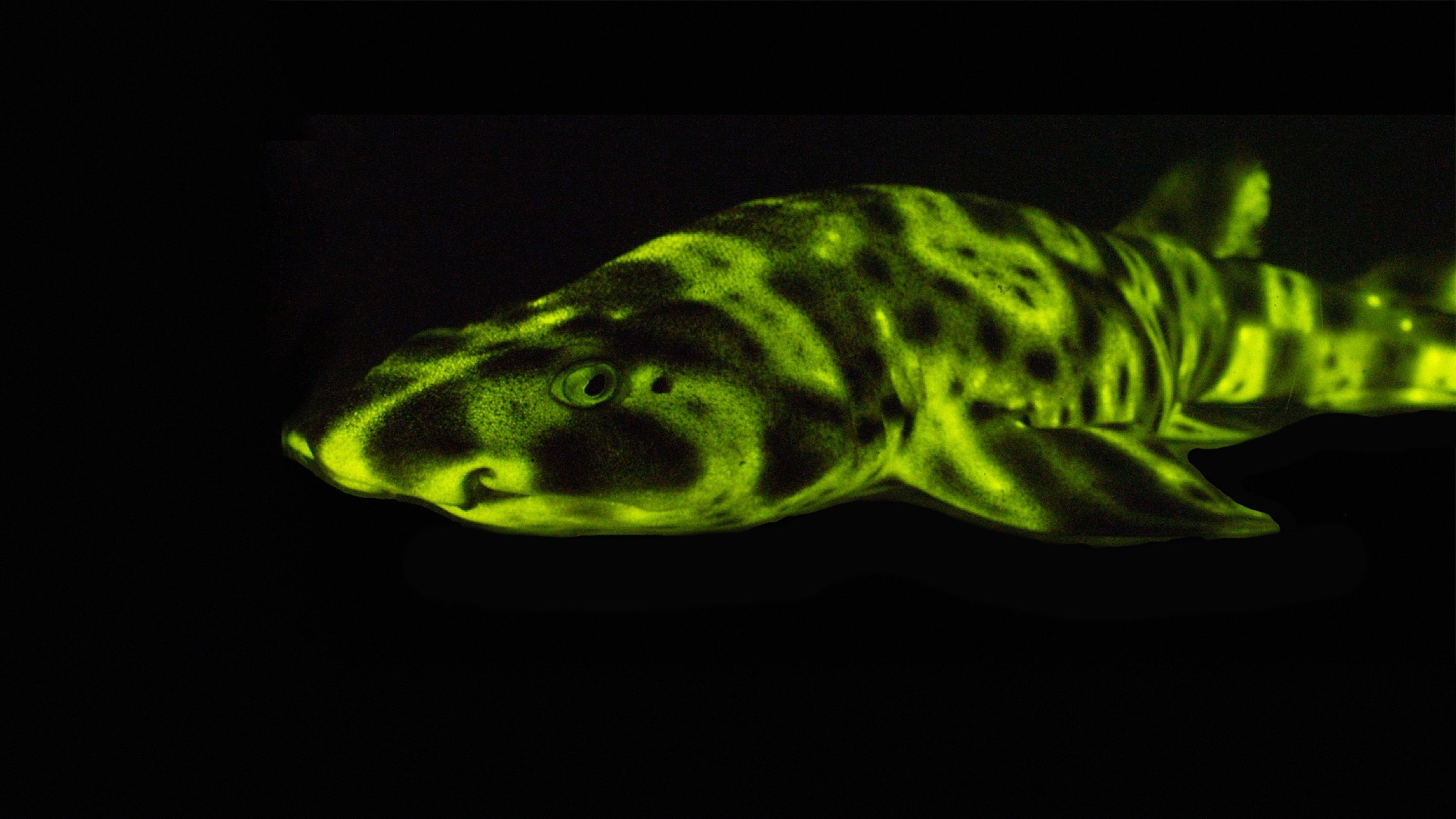
Marine biologist, ocean explorer and professor David Gruber provides a wealth of new insights into a secret "language" of the shining colors and sounds that help many marine creatures communicate, interact and avoid enemies. His interdisciplinary research builds bridges between marine biology, biophysics, climate science and animal communication while his inventions deploy groundbreaking technology to help humans view the underwater world from the perspective of those who call it home.
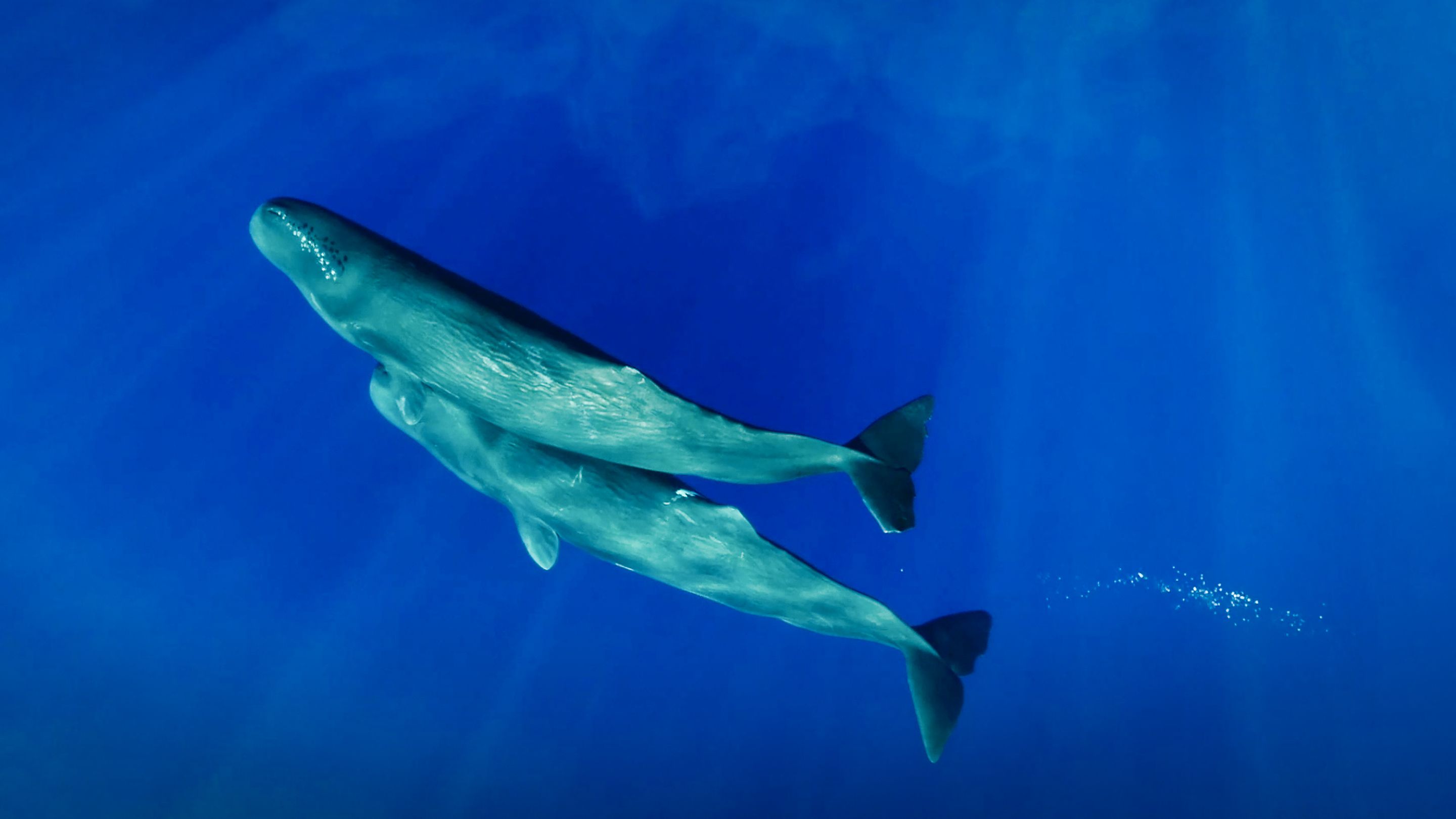
Gruber recently assembled the scientific team for Project CETI, a nonprofit organization and 2020 Audacious Project that is applying advanced machine learning and non-invasive robotics to listen to and translate the communication of whales.
David Gruber’s TED Talks
More news and ideas from David Gruber
Live from TED2020
Hope, action, change: Notes from Session 5 of TED2020
June 19, 2020
Daring, bold, systems-disrupting change requires big dreams and an even bigger vision. For Session 5 of TED2020, the Audacious Project, a collaborative funding initiative housed at TED, highlighted bold plans for social change from Southern New Hampshire University, SIRUM, BRAC, Harlem Children’s Zone, Humanitarian OpenStreetMap Team (HOT), Project CETI and One Acre Fund. From aiding […]
Continue readingScience
What plastic item would you love to ban? 15 ocean experts (and TED speakers) tell us.
July 19, 2018
Yes, plastic straws are bad, but they’re just a teeny drop in the giant ocean of plastic we’re swimming in. Here are other everyday plastic objects that we could put on the discontinued list.
Continue readingScience
4 ways to get people to care about the ocean
November 17, 2015
Human beings have created a whole load of problems in the oceans. Sadly, though, they usually don’t want to hear about them. Last month, a group of ocean scientists and activists brainstormed ways to make the seas sound as amazing as they are. Check out new tools, studies and discoveries that could spark positive curiosity and empathy.
Continue reading