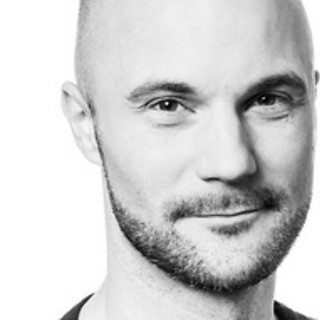
Angelo Vermeulen
Space researcher, biologist, artist
Angelo Vermeulen wears many hats, including one as a crew commander for NASA, another as an artist and community organizer.
Why you should listen
If you're looking for someone who embodies "multidisciplinary," look no further than TED Senior Fellow Angelo Vermeulen, a space systems researcher, biologist, artist and community organizer. The one common thread in all his work: the desire to understand the relationship between nature and technology, to learn from what's happened in the past in order to build a promising future for us all.
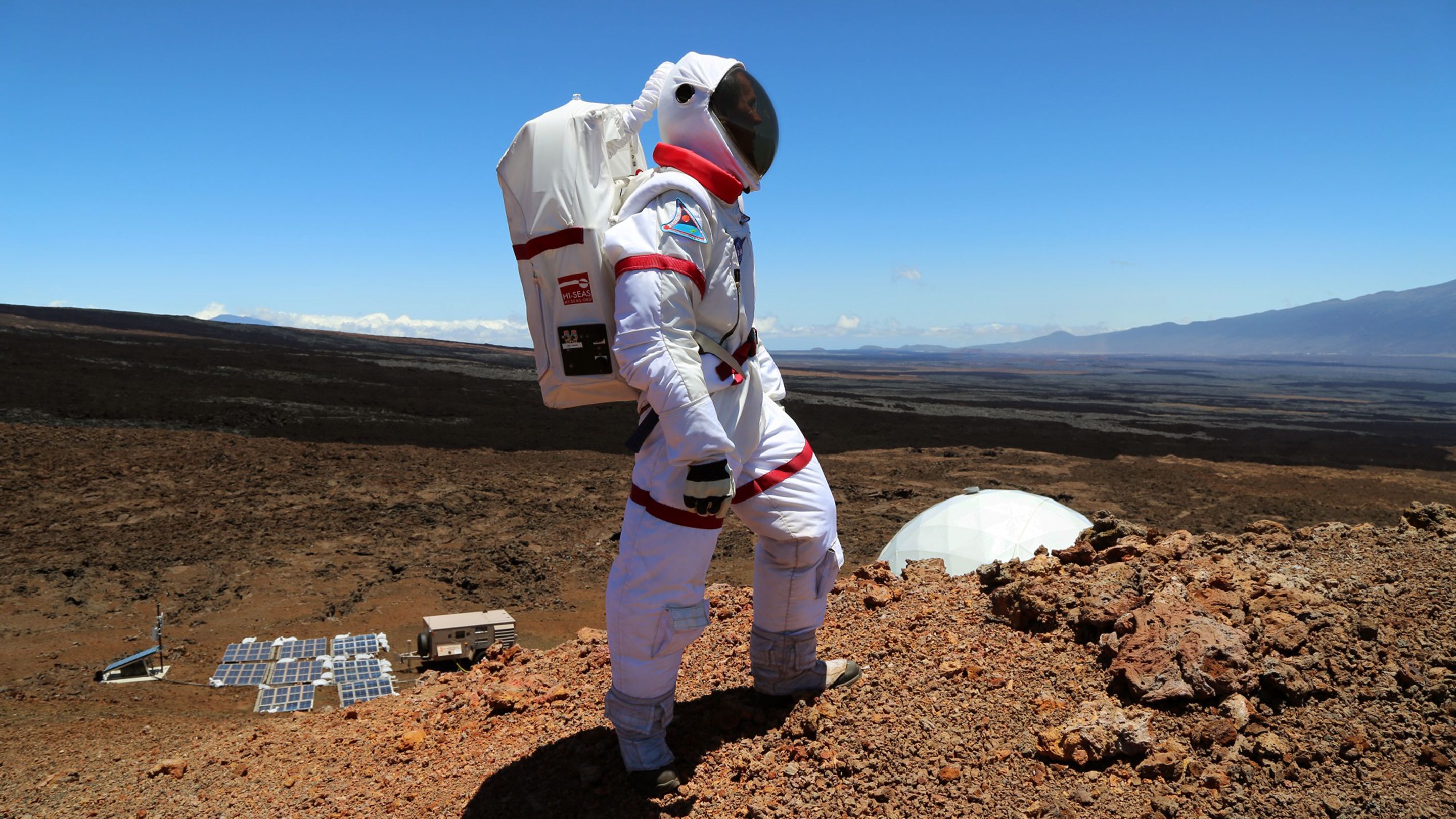
Having received his PhD in Biology from the University of Leuven in Belgium, Angelo nonetheless eschewed a life in the lab to apply a creative lens to everything he does. To date, that includes working on independent projects around the world, including Biomodd, a worldwide series of interactive art installations in which technology and nature coexist. Throughout 2011, he was a member of the European Space Agency Topical Team Arts & Science (ETTAS), while in 2013 he was crew commander of the NASA-funded HI-SEAS Mars mission simulation in Hawaii. For this project, he and a crew of six astronauts lived for four months in a dome, all in the name of studying the effects of longterm isolation among a small crew.
In 2009 he launched SEAD (Space Ecologies Art and Design), a platform for research on the architectures and ethics of space colonization. In 2014, he launched Seeker, a project calling for the public to co-create starship sculptures that evolve over time; this subject is also the focus of a new PhD at Delft University of Technology, for which he's developing "paradigm-shifting concepts for evolvable starships."
In 2012 he was a Michael Kalil Endowment for Smart Design Fellow at Parsons in New York. He holds positions at LUCA School of Visual Arts in Ghent, Belgium, and Die Angewandte in Vienna, Austria.
What others say
Reading Zen and the Art of Motorcycle Maintenance taught him "that for a good relationship with technology, you need more than just the rational mind," Vermeulen says. After all rational attempts to fix a broken bike engine have failed, he notes, recalling a passage from the book, there often comes a moment when you let "go of this desire to solve it in a very rational way and just stare at the engine. ... And then, suddenly, a little idea will pop up ... and before you know it, you're into it, and you get the problem solved." "The book showed me you don't have to choose between the rational and the intuitive," he says. "It's so important, all the training you have, all the ideas you have, to keep them together somehow and to accept everything. ... That's what got my creativity kick-started again."
Angelo Vermeulen’s TED Talk
More news and ideas from Angelo Vermeulen
We humans
Scenes from a pandemic: Firsthand stories of life in 23 countries, from the TED Fellows
April 10, 2020
To get a panoramic perspective of the pandemic, TED turned to its TED Fellows. From Afghanistan to the US, Brazil to Uganda, India to Russia -- and 17 other countries -- here are their stories.
Continue readingNews
Mapping where we meet: TED University at TEDGlobal 2014
October 7, 2014
TED University is the raucous session before “real TED” starts when attendees get up and give their own short talks. (Some of our very favorite TED Talks came from this session, like talks on Lego, sex, and 5 dangerous things you should let your kids do.) This morning at a cheerful 9am, we met the […]
Continue readingNews
Online censorship, life on Mars and tiny robots: 20 TED Fellows give talks in Whistler
August 19, 2013
Our office might be closed for summer vacation, but the TED Fellows are hard at work at the very first TED Fellows Retreat, happening now in Whistler, British Columbia. Because the Fellows have proliferated since the program officially launched in 2009, many of these extraordinary thinkers have never had a chance to meet and conspire. And thus, the TED […]
Continue reading