Ideas change everything
WATCH
TED Talks
Browse the library of TED talks and speakers
TED Playlists
100+ collections of TED Talks, for curious minds
TED Series
Go deeper into fascinating topics with original video series from TED
TED-Ed videos
Watch, share and create lessons with TED-Ed
TEDx Talks
Talks from independently organized local events
TED Fluent
Watch TED Talks in your language
DISCOVER
Topics
Explore TED offerings by topic
Podcasts
Explore the TED Audio Collective
Ideas Blog
Our daily coverage of the world of ideas
Newsletters
Inspiration delivered straight to your inbox
TED Games
Innovative games that challenge you to think differently
ATTEND
Conferences
Take part in our events: TED, TEDGlobal and more
TEDx Events
Find and attend local, independently organized events
TED on Screen
Experience TED from home
TED Courses
Learn from TED speakers who expand on their world-changing ideas
PARTICIPATE
Nominate
Recommend speakers, TED Prize recipients, Fellows and more
Organize a local TEDx Event
Rules and resources to help you plan a local TEDx event
TED-Ed
Award-winning educational content and programs
Translate
Bring TED to the non-English speaking world
TED Fellows
Join or support innovators from around the globe
ABOUT
Our Organization
Our mission, history, team, and more
Conferences
TED Conferences, past, present, and future
Programs & Initiatives
Details about TED's world-changing initiatives
Partner with TED
Learn how you can partner with us
TED Blog
Updates from TED and highlights from our global community
Type to search
人類情緒的歷史
4,770,828 plays
|
Tiffany Watt Smith
|
TED@Merck KGaA, Darmstadt, Germany
• November 2017
Read transcript
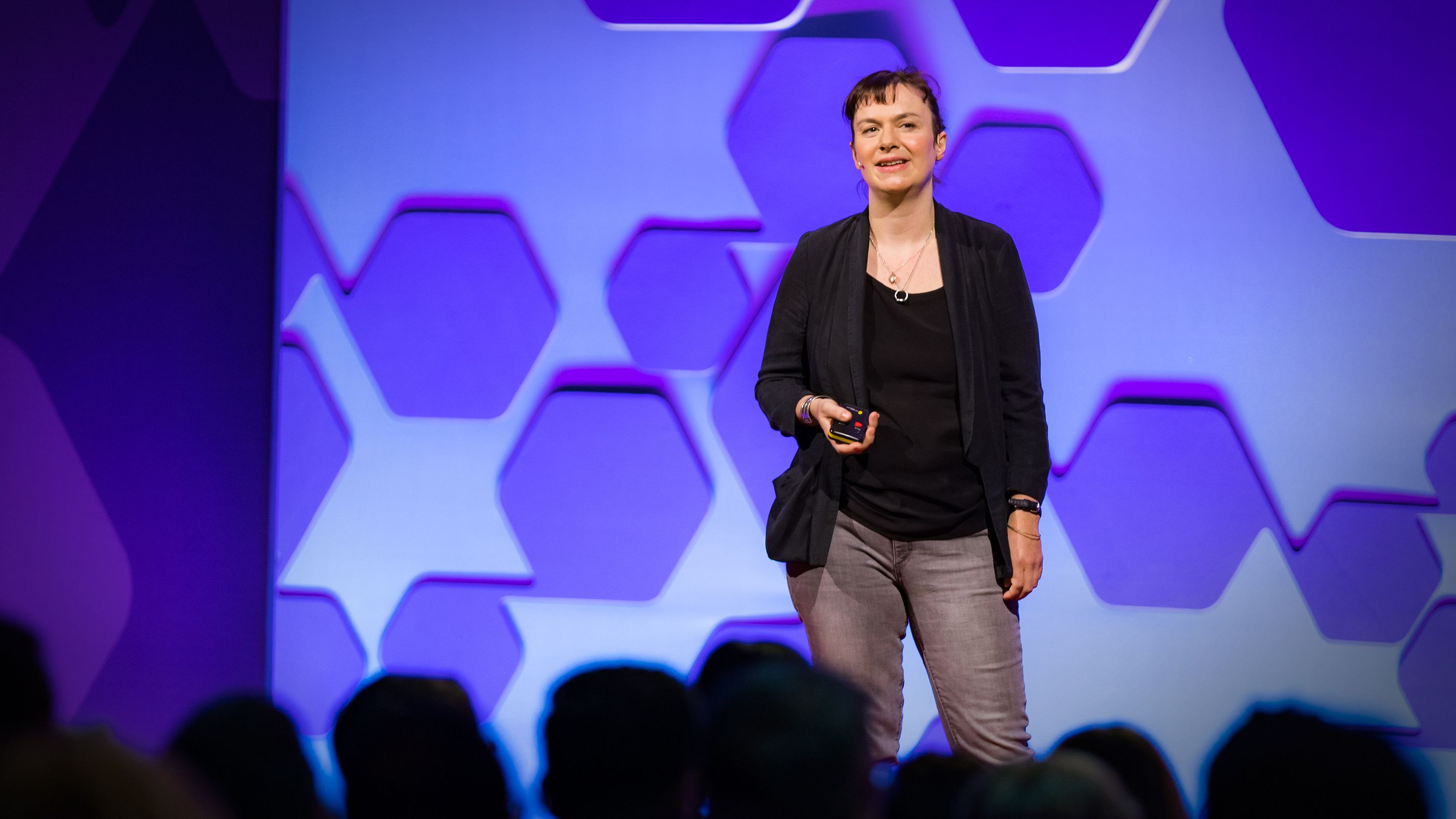
我們用來描述自己情緒的字詞會影響我們的感受,歷史學家蒂芬妮.瓦特.史密斯如是說,且情緒會因應新的文化期待以及想法而改變(有時改變很大)。以鄉愁為例:最初在1688 年被定義為疾病,且會致命,現今,它似乎只是個不太嚴重的苦惱。從這場關於情緒歷史的迷人演說,可以了解我們用來描述我們感受的語言如何持續在演化,並選用一些其他不同文化的新字詞來用文字捕捉那些轉瞬即逝的感受。
TED is supported by ads and partners