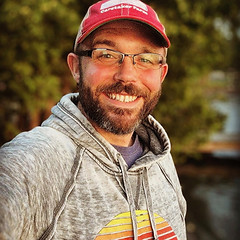
Benjamin Lamb, PhD
Rural Innovation Facilitator at 1Berkshire
TEDx Organizer
North Adams, Massachusetts, United StatesAbout Benjamin
I am a…
Brainstormer, Business adviser, Business mentor, Change Agent, Connector, Educator/Teacher, Entrepreneur, Event planner, Explorer, Foodie, Idea generator, Public servant, Scientist, Social entrepreneur, Startup, Student, World traveler
Bio
Dr. Ben Lamb is the Vice President of Economic Development at 1Berkshire, the regional Economic Development and Marketing and Tourism Organization for the Berkshires of Massachusetts. He lives in North Adams, with his wife, two kids and golden retriever. Outside of his day job, Ben served four terms as a City Councilor in the City of North Adams, is a Trustee of the Massachusetts Museum of Contemporary Art, is Board Vice Chair for the Northern Berkshire Community Coalition, Clerk of the board of the North Adams Partnership, and is Co-founder of the NAMAzing Initiative; a community group committed to growing and sharing the lovability of North Adams through creative placemaking and grass roots economic development initiatives (amongst other things). A 2007 graduate of Massachusetts College of Liberal Arts, Ben holds dual bachelor’s degrees in Biology and Environmental Studies with a minor in Chemistry, a Masters Degree in College Student Services Administration from the College of Saint Rose and a PhD in Higher Education from the University of Nebraska-Lincoln. His dissertation focused on how experiences during college influence recent graduates’ decisions to remain in the rural community they attend college in, post-graduation. With past work experience in ecotourism in Belize, wildland firefighting and historic landscape restoration in Virginia, salmon population research in Alaska, polymer resin adhesive research in Upstate New York, as a high school guidance counselor, as a downtown cafe owner in North Adams, and as a professional at a top tier private college for 8 years, Ben has a wide range of professional experiences and passions that he carries with him. His care, passion and duty to supporting a broad range of diverse businesses, industries, and cross cutting economic issues across the 32 cities and towns he serves is the fuel he relies on to make a meaningful difference locally, regionally and afar. With his never ending curiosity has contributed to him becoming the co-founder of Elimentra Technologies, a waste diversion and carbon sequestration startup based in Massachusetts. Much like his focus on the regenerative opportunities of rural economies and the leveraging of innovation as a key to long term prosperity, he also has a passion for tactical deployment of world improving research-to-action technologies. But more to come on that...
I'm passionate about
Community engagement at all levels, and inspiring others to activate their own dreams and aspirations for the greater good of humanity. My family, my dog, and my ability or attempted ability at Do-It-Yourselfer projects. I'm an aficionado for hot sauces and a fan of all things fermented. I love finding convergences in things and playing connect the dots with people, places and experiences. Research to action, creating fertile ground, and taking the risks that can propel something greater and bigger than myself forward.
An idea worth spreading
Stickiness and belongingness, what we can translate from higher education into higher rural retention rates.
Rural brain drain is a constant issue facing over 800 distinct communities in the United States alone. With the perception of limited economic and career prospects, unfair characterizations of rurality, and a multigenerational deficit in meaningful investment, rural regions and communities have a distant challenge and opportunity to become the next hubs of authentic existence and home-grown success. With thousands of higher education institutions around the country, I've taken a decade of research, interviews, and observations to model a new approach to focusing on how we move from brain drain, to deep belongingness in rural communities by leveraging actual institution models and programs, and identifying how any community, whether they have a college near them or not, can create true and meaningful stickiness to help retain the intellect, talent, and skilled workforce they will need to carry on for the next 100 years.
Areas of expertise
belongingness, carbon sequestration, career counseling, civic engagement, community development, economic development, higher education, leadership development, parenting, regenerative practices, rural innovation, strategic risk taking, youth entrepreneurship
Things you might not know
Handwriting.