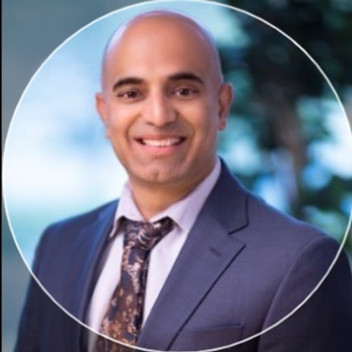
About Srinivas
I am a…
Architect, Business adviser, Business leader, Business mentor, Change Agent, Concerned citizen, Engineer, Entrepreneur, Hindu, Parent, Project manager, Real Estate professional, Startup, Student, Technologist
Bio
Srinivas Kothuri is a seasoned AI Scientist with over 20 years of experience, specializing in artificial intelligence, machine learning, and real estate investments. His expertise spans a wide range of fields, including AI-driven innovations in healthcare and finance, alongside a deep understanding of real estate investment strategies. Srinivas has spent the past two years leading teams, honing his leadership skills with the goal of becoming a Chief Data Officer or Chief AI Officer.
In addition to his technical achievements, Srinivas has over 15 years of experience managing real estate investments, including multifamily residential properties and hotel investments with Hampton Inn. His unique combination of technical expertise and business acumen allows him to drive success in both AI development and real estate ventures.
Srinivas is currently involved in various projects aimed at leveraging AI for early disease detection and real estate innovation, while also contributing to educational and STEM initiatives at the community level. He continues to push the boundaries of AI’s potential in solving real-world problems, all while managing a diverse portfolio of real estate investments.
I'm passionate about
I am deeply passionate about many things that shape both my personal and professional life. First and foremost, family is at the heart of everything I do. They are my greatest motivation and support system, pushing me to reach new heights while reminding me of the importance of balance and connection. I believe that strong family bonds are the foundation for success in every other area of life.
Technology is another major passion of mine. I’m fascinated by how it can solve complex problems and improve our lives in ways we never imagined. Whether it’s artificial intelligence, machine learning, or new innovations in sustainability, I’m always exploring how technology can be used to create a better future. I love taking on seemingly impossible projects that push the boundaries of what’s achievable—these challenges fuel my creativity and drive.
Building organizations is something I’m equally passionate about. I enjoy the process of starting from scratch and creating something impactful, whether it’s a business venture or a non-profit initiative. The ability to gather talented people, define a vision, and work together to achieve ambitious goals is what excites me most about entrepreneurship.
I’m also committed to giving back through non-profit work. I believe in the power of organizations that focus on making a difference in the world, whether it’s through education, healthcare, or social change. Helping others and creating positive impact is a big part of who I am.
Finally, cricket is a lifelong passion. It’s not just a sport for me—it’s a way to connect with friends, unwind, and practice teamwork and strategy. Whether I’m watching a match or playing, cricket reminds me of the importance of discipline, patience, and enjoying the game, both on and off the field.
An idea worth spreading
Imagine a world where environmental damage—such as pollution, deforestation, and habitat destruction—could be instantly reversed through AI-powered "healing pods." These pods, strategically placed across forests, oceans, and cities, would monitor environmental conditions in real-time, detect damage, and activate regenerative processes automatically.
The pods could use AI to analyze environmental data and trigger immediate solutions, such as releasing bio-engineered plants to restore deforested areas, deploying nanobots to clean up ocean plastic, or even repairing polluted air and water through advanced chemical processes. Powered by renewable energy, these pods would work independently, continuously healing and protecting the planet without human intervention.
This system would revolutionize how we approach environmental conservation. Instead of reacting to disasters or damage after it happens, these AI pods would prevent the problems from escalating by providing continuous, automated care. They could be the key to helping glaciers stop melting, oceans remain clean, and wildlife habitats stay intact—giving us a sustainable future and a self-healing planet.
The TED story
Our journey began with the hope and determination of building something lasting—a local urgent care clinic. Like any new business owners, we put our life’s earnings on the line, believing that we could make a difference in healthcare and build a thriving business. But what we didn’t expect was just how quickly things would spiral out of our control.
In the first few months, it became painfully clear that our urgent care was struggling. We were at the bottom of the charts, ranked among the worst-performing urgent care centers across the entire country. We were panicked. This was everything we had worked for, and it felt like we were about to lose it all.
Then, as if the situation couldn’t get any worse, COVID-19 hit. Overnight, the number of patients coming through our doors dropped to zero. The streets emptied, and fear took over the community. People were afraid to leave their homes, and our business, like so many others, was suddenly on the brink of collapse. The pandemic had created a whole new world of uncertainty, and we had no resources left.
But even in the midst of all this panic, one thing became clear to us: people were suffering. We saw the fear in their eyes, the worry that gripped the community. They needed help. They needed assurance that someone was there for them, even in the most terrifying of times. We couldn’t sit by and watch people struggle while we had the ability to help.
That’s when we made a decision that changed everything.
Before the federal government even announced that COVID-19 testing would be free, we decided to let the community know that we were going to offer it—at no cost. We put out the word that we were there for anyone who needed help, regardless of their financial situation. And, miraculously, just before India went into lockdown, I managed to secure 300 masks. I had returned from India only a day before the country shut its borders. It felt like a stroke of luck, and we needed every bit of it.
At first, there was another setback. Our staff, understandably fearful of COVID-19, chose not to come to work. With no team and a dwindling supply of resources, the situation seemed hopeless. But we couldn’t give up. With the 300 masks we had, we decided to lead by example. My family and I, along with a few brave souls who shared our vision, began staffing the clinic ourselves. We put on the masks, assured the community that we were there to help, and opened our doors to anyone in need.
We had no financial backing left, no resources to fall back on, and our future was anything but secure. Yet, we pressed on, putting the last of our money and every ounce of our energy into helping the community. We didn’t think about the business anymore—we were focused on doing the right thing.
As they say, karma works in mysterious ways. Word of our efforts began to spread. Despite there being several other urgent care centers in the area, people began choosing us. They trusted us. They saw that we were willing to step up when no one else would, that we were genuinely there to help, not for profit, but for the well-being of the community.
And that trust paid off. Slowly, the number of people coming to us started to rise. From seeing just a handful of patients each day—sometimes fewer than 10—we began to see the numbers grow. Word of mouth and the trust we had built in the community propelled us forward. We went from serving 10 patients a day to 600 patients daily.
The turnaround was incredible. Our clinic, which was once at the bottom of the charts, became the go-to place for COVID-19 testing and care. Not only did we earn the community’s respect, but we built something much greater than a business—we built a bond with the people around us. They saw us as more than just healthcare providers; we were part of the community, helping it through one of the most challenging times in history.
This experience taught me that sometimes, when everything seems lost, all it takes is one bold decision to change everything. It’s not always about business strategies or financial planning—it’s about showing up when people need you the most. By offering help, by stepping up in a time of crisis, we didn’t just save our business; we earned a place in the hearts of the community.
And while it wasn’t easy—there were many sleepless nights, countless obstacles, and moments of doubt—the reward wasn’t financial. It was the knowledge that we had made a real difference in the lives of the people we served. The success of our urgent care wasn’t just measured in numbers; it was measured in trust, in relationships, and in the impact we had on those around us.
Today, I look back at those days with gratitude. What started as a moment of panic turned into an opportunity to serve. It reminded me that in times of crisis, it’s not about what you stand to lose it’s about what you’re willing to give. And in giving everything we had, we gained something much more valuable: the faith and trust of an entire community.
Things you might not know
People might not realize that I’m surprisingly good at staying focused and calm in the face of chaos. When things get complicated or stressful, I have this ability to cut through the noise and find a way forward, even when others feel stuck. This skill has been key when working on projects that seemed impossible at first, and it’s something I’ve relied on time and again to navigate high-pressure situations.
Another thing most people don’t know is that I’m good at connecting with people on a deeper level, especially through storytelling. Whether it’s explaining a complex tech solution or sharing ideas about building a business, I love the challenge of making things clear and engaging, even for those who might not have the same background.
And on a totally different note, I’m actually pretty good at cricket—not just watching it, but playing. It’s a passion of mine that’s helped me develop patience, strategy, and teamwork, and it’s something that not many people know I’m skilled at, both on and off the field.