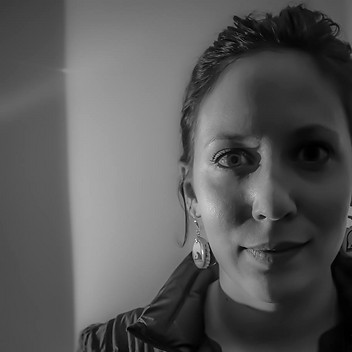
Kathryn Hunt
Co-founder (PRO), Osteologist (JVRP) at Paleo-oncology Research Organization (PRO)
FollowAbout Kathryn
I am a…
Connector, Educator/Teacher, Explorer, Foodie, Global soul, Idea generator, Job-seeker, Scientist, Student, World traveler
Bio
Kathryn Hunt, a biological anthropologist and Near Eastern archaeologist, interwove a childhood dream to be an Egyptologist with a personal life crisis. At 22, she had lived and studied in Cairo, Egypt, and excavated in Mendes and the Valley of the Kings before receiving a devastating diagnosis of an aggressive ovarian cancer. Throughout treatment, her thoughts centered on what she might be able to contribute to the fight against cancer. The result was a passion to pursue the under-served niche of palaeo-oncology, the study of cancer in antiquity. Her research has revealed literary and biological patterns in evidence of cancer in ancient societies. She advocates for further research into this niche, having the potential to change the way we understand the development of cancer today.
I'm passionate about
Cancer research, awareness, and activism. Tiny houses with a tiny footprint. Backyard garden cultivation. Eating exciting food that is good for both the body and soul. Showing up for others.
An idea worth spreading
The impressive advancement of modern cancer research has been based on limited knowledge of cancer over several decades. However, cancer was active in humans for hundreds of thousands of years before that. Significant events occurred in the past, such as the shift from hunting and gathering to agriculturalism and the modern industrial revolution. If the human genetic tendency towards cellular mutation is aggravated by environmental factors, we should see patterns in the skeletal manifestation of cancer throughout history. Palaeo-oncology is the study of cancer, in both historical and ancient societies, from multidisciplinary perspectives including historical, linguistic, and anthropological. This concept of studying the dynamics of cancer development throughout history could revolutionize the way we conduct cancer research by changing the way we understand the disease. This is an idea worth spreading.
Areas of expertise
anthropology, Archaeolgical illustration, Archaeology, Bioarchaeology, Egyptian Archaeology, Near Eastern Archaeology, Paleopathology
The TED story
Four years ago, at the ripe old age of 22, I was diagnosed with ovarian cancer. At the time I was finishing up my BA in archaeology, and had been participating in archaeological excavations in Egypt. I was terrified that I would never be able to dig again. Our next season was fast approaching and my determination to fight like hell was heavily motivated by getting back to the field. It was a tremendously difficult treatment process physically, emotionally, and mentally, but I fought through it and flew to Luxor, Egypt a few weeks later to assist with the osteological analysis of several entombed individuals in the Valley of the Kings. In the words of TEDxster Dan Duffy, I wanted to 'turn my tragedy into something to make the world a better place'... I am now trying to do that by studying cancer from an bioarchaeological perspective, and have co-founded the Palao-oncology Research Organization, a group dedicated to collaborative multi-disciplinary research into the history of cancer.
Things you might not know
Knowing the lyrics to Bohemian Rapsody... all the lyrics. This is a surprising characteristic for me because my memory is terrible.