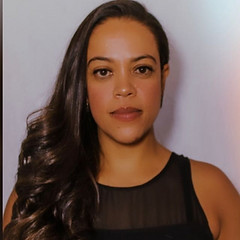
About Maria Carolina
Bio
I’m Maria Carolina Mariano, Pedagogical Director and Co-founder of Casa Fundamental, a progressive and future-oriented school in Belo Horizonte, Brazil. My work is rooted in the belief that education must be reimagined to respond to the complex challenges of our time—with courage, creativity, and deep connection to the world.
My academic background is interdisciplinary: I hold a degree in Tourism from the Federal University of Minas Gerais, and I’ve pursued studies in Architecture and Economics at PUC Minas, as well as an MBA in Business Management from Fundação Dom Cabral. Over the years, I’ve also completed training in Product Management and Digital Leadership, which has shaped the way I approach education—with strategy, empathy, and a focus on design and innovation.
Since 2013, I’ve been dedicated to exploring how technology and progressive methodologies can transform learning experiences. I co-founded an edtech startup and eventually helped build Casa Fundamental from the ground up, with the goal of creating a school that honors children’s autonomy, nurtures socio-environmental consciousness, and cultivates skills that truly matter.
At Casa Fundamental, I lead the development of our pedagogical approach, I also design curricular frameworks that integrate computational thinking, project-based learning, maker culture, and environmental education. Our school believes in learning that is alive, situated, and meaningful. Every experience matters, and every child is seen as a powerful agent of transformation.
I’m especially passionate about the development of complex human skills—from creativity and communication to critical thinking and systems awareness. I believe these capacities are foundational, not optional, and should be nurtured early and consistently throughout a learner’s journey.
Outside of the classroom, I write, create content, and speak about education, innovation, and the future of learning. I’m drawn to language that inspires action, and often use metaphors, storytelling, and questions to provoke thought and open new possibilities.
An idea worth spreading
I’m committed to building “possible schools”—learning spaces that are both imaginative and grounded, visionary and real. Schools where children learn how to learn, how to care, and how to create better futures—for themselves and for the world.