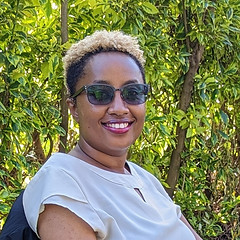
Anne Wacera Wambugu
Head of Electrification and Electricity Access at Strathmore University
TED Attendee
Nairobi, KenyaAbout Anne Wacera
I am a…
Brainstormer, Engineer, Environmentalist, Explorer, Idea generator
Bio
Instead of copying my LinkedIn bio here - visit my LinkedIn profile and read it there.
I'm passionate about
Women.
Women perform most household labour such as childcare, cooking, washing clothes and utensils etc. The lack of reliable electricity or an electricity connection increases the need for this labour as it impedes the ability to automate these activities or seek clean alternatives.
For example, women are unevenly impacted by negative health outcomes resulting from biomass cooking, loss of paid time to household activities and childcare among other issues.
Therefore, electricity connection and reliability, heeding automation of household activities performed by women, is something I'm very passionate about. I actively seek to fundraise for and incorporate these issues in my work as an electrical engineer.
An idea worth spreading
I'll go with ideas - all very multi and interdisciplinary undertakings:
1. On the development of energy infrastructure in Sub-Saharan Africa:
It needs patience. This might not be move fast and break things territory – In my experience, it is earn trust and scale reasonably territory. It’s easy to forget that we are not just giving communities access to electricity or energy systems they need… We are also asking them to change their way of life, which can take time. Comparisons to mobile phone adoption in the region are only accurate to a certain degree.
2. On use of electricity by communities in Africa:
The assumption that communities will use electricity once connected, with some going as far as preempting how the electricity will be used, can result in underwhelming impact reports, and at a financing level, sideline the measurement of important quality of life metrics.
3. On sustainability:
It’s sometimes said to begin at mining, and it shouldn’t end at purchase or installation (thinking of electrical systems here). Sustainability should include product life, right to repair, access to repair, and disposal options where repair isn’t possible. I understand that the implementation of this view can sometimes cast a shadow over affordability, but the premise stands. I’d like to know where to take my failed phone charger - and someday, where it will go and what will happen to it.
4. On climate change and energy in Sub-Saharan Africa:
It is always important to remember that energy used by close to 1 billion people is what’s at stake when talking about unelectrified SSA. That supporting the use of clean and sustainable energy by this population is crucial to climate change efforts. We need to keep in mind what it means if SSA adopts the energy trajectory taken by the rest of the world, existing alternatives and investment required to make the alternatives a reality. Then - who foots this bill, the job opportunities will arise from it and who these jobs will be for, and who benefits from the technology – whether IP or use.
Areas of expertise
Africa electricity access, Digitization of energy systems, Energy justice and the digital divide, Household electricity appliances, Quality and standards in electrical systems, Renewable energy systems, Solar systems trainer
The TED story
This depends on the audience. If I were to select 10 year old me as the audience, I'd tell her: there's no right way to do this life thing. Yes you will leave Sibanga one day and you will become an electrical engineer. You will work on the thing you treasure the most - electricity - and use your experience living without it to make a difference. You'll also travel quite a bit - you just won't find the right way to be alive. So breathe and live one day a time. You're doing fine.
Things you might not know
Well, I'm a pattern thinker.