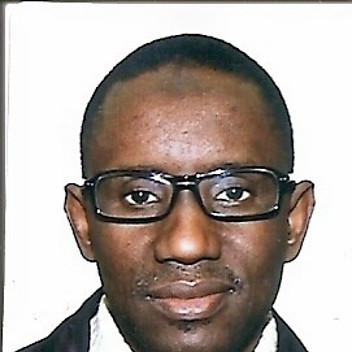
About Nuhu
Bio
NARRATIVE RESUME OF MR. NUHU RIBADU
Nuhu Ribadu was born November 21, 1960. He graduated from the Nigerian Law School and was called to the bar in 1984, before joining the Nigeria Police, where he rose to become head of the Legal and Prosecution department, Police Headquarters, Abuja. His 18-year service in the Nigeria Police culminated in his appointment as pioneer Executive Chairman of the Economic and Financial Crimes Commission (EFCC) in April, 2003. He was a key member of the Economic Management Team in from 2003 to 2008 that initiated and drove the wide ranging public sector reforms, which laid the foundations for the socio-economic rejuvenation of Nigeria.
Ribadu’s modest achievements in EFCC, most notable amongst which are the delisting of Nigeria from the FATF List of Non-Cooperative Countries & Territories, admission into the prestigious Egmont Group and the withdrawal of the US Treasury advisory on Nigeria by the FINCEN helped make the EFCC a reference Law Enforcement Agency on the continent; and the bold investigation, prosecution, and conviction of Nigeria’s hitherto untouchable politicians and businessmen earned him the reputation of being a foremost and respected anti-corruption crusader in the world.
He recently completed an LLM degree thesis on the jurisprudence of corruption in Nigeria from the Ahmadu Bello University, Zaria, Nigeria, in fulfillment of the requirements for the award of Master of Law, and two years ago at the Harvard Business School where he did a program in the strategic management of law enforcement agencies. He is currently a visiting fellow at Oxford University.
I'm passionate about
I am passionate about justice, good governance, anti-corruption and the rule of law.
The TED story
I think TED will offer the opportunity to learn and share experience on how we succeeded in making anti-corruption work in Nigeria. Corruption and poor governance remain the bane of Africa. If we are to build lasting democratic institutions, if we are to build government agencies that work, if we are to tackle grand corruption, if we are combat money laundering, smuggling, and other economic crimes, we must share best practices and reflect on opportunities for collaboration.
The Nigerian experience under my leadership of the EFCC was an anti-corruption model that was the envy of the world.
The last one year since I left the EFCC has afforded me the opportunity to reflect on the work we did, why we succeeded and how other African countries can benefit from our success. This is what I am currently doing as a senior fellow at Oxford University.