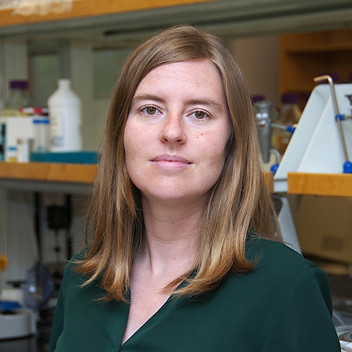
About Christina
I am a…
Brainstormer, Concerned citizen, Educator/Teacher, Gay, Idea generator, Project manager, Scientist, World traveler, Writer/Editor
Bio
Christina Warinner is a leading expert in biomolecular archaeology, specializing in the study of ancient human foods and the evolution of the microbiome. Her research integrates analyses of food cultures, microbiomes, and biomolecular traces from prehistoric remains to uncover insights into prehistoric migrations, human genetic adaptations, and the complex history of human diets and microbes. Through her pioneering work in ancient DNA and proteins research, Warinner has made significant contributions to understanding prehistoric human health, the ancestral human microbiome, and past human population history. She leads multidisciplinary projects that combine archaeology, microbiology, and ethnography to investigate the origins of dairying and human adaptations to novel foods, with a focus on the impact of microbes on human evolution and health. Additionally, Warinner is actively engaged in scientific outreach and plays a key role in advancing the field of paleogenomics by promoting ancient DNA research and supporting scholarly endeavors in biology and anthropology departments worldwide.
I'm passionate about
I love being faced with a difficult problem that has no obvious solution, or even a clear place to start. Problems inspire creativity, and it is the creative side of problem solving that inspires me.
An idea worth spreading
The human past has a great deal to teach us - it's just a matter of asking the right questions and using the right tools to discover the answers. Molecular archaeology, an emerging field of study that applies modern biomolecular technologies to the study of archaeological remains, is greatly expanding our knowledge of human origins, evolution, and history through the direct analysis of ancient DNA and proteins. My research focuses on the exploration of calculus, a kind of fossilized dental plaque, as a novel biomolecular reservoir of ancient health and dietary indicators. This long-neglected mineralized biofilm is revealing itself to be a vital source of information about past human infections and a rich substrate for the study of bacterial evolution.
Areas of expertise
Ancient DNA, Ancient Proteins, Archaeology, Data & Research, Food Systems & Nutrition, LGBT History, Metagenomics, Molecular anthropology, Paleoproteomics
People don't know I'm good at
Nerdy humor, puns, and illustration. I like to combine all three to make customized logos for the research projects of my friends and colleagues.